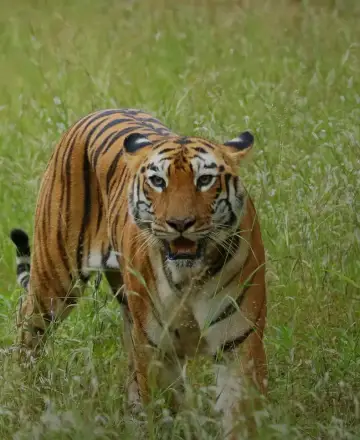
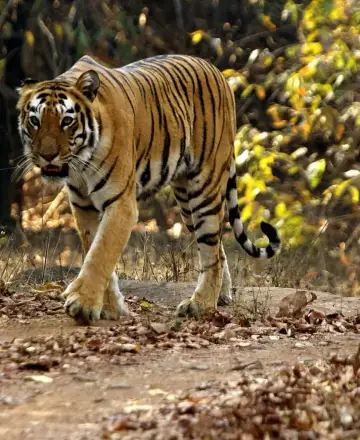
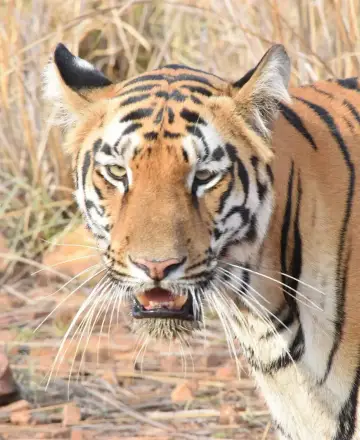
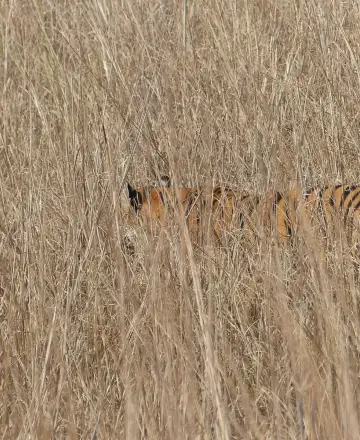
 Southern Tadoba
Moharli Zone
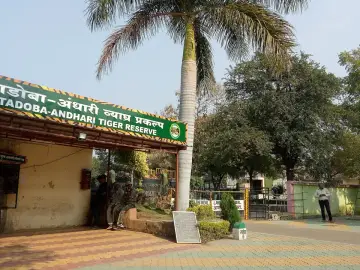
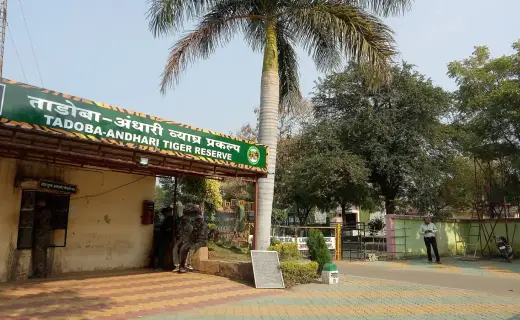
A major visitor cluster connecting two core gates with four buffer entry areas near Chandrapur.
Core
- Moharli
- Khutwanda
Buffer
- Agarzari
- Adegaon
- Dewada
- Junona
Quick Answer
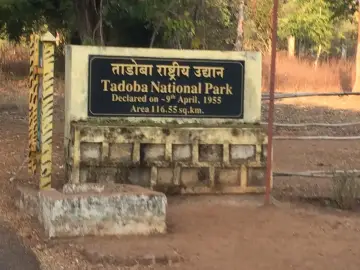
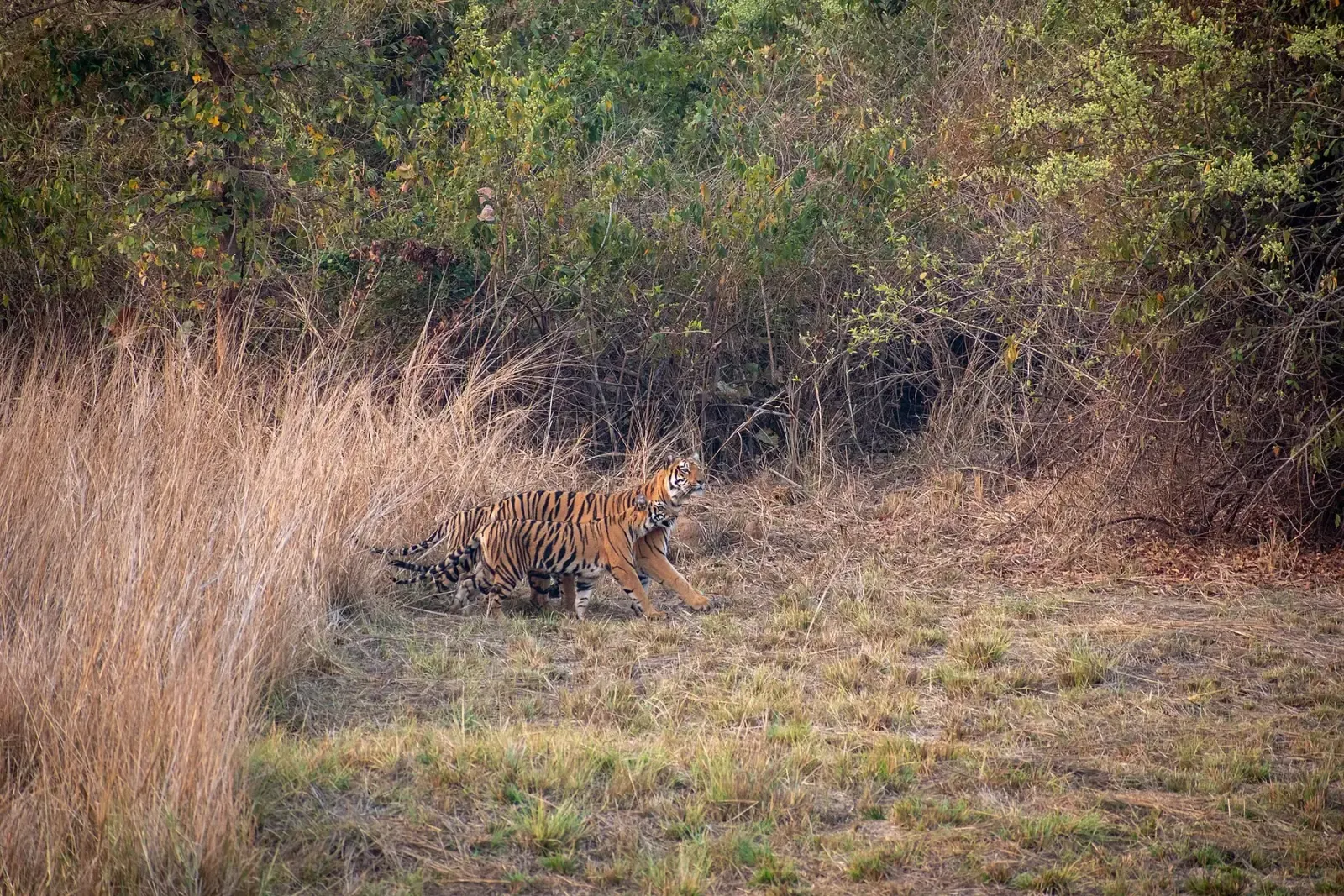
Tadoba-Andhari Tiger Reserve, home to Maharashtra’s oldest national park (1955), lies in Chandrapur district, about 140 km from Nagpur. It covers 1,727.59 km² (625.82 km² core, 1,101.77 km² buffer) and holds 80+ tigers inside the reserve, around 200 across the wider landscape. Safaris run from four official zones — Moharli, Kolara, Navegaon, and Pangdi & Zari — with 6 core and 16 buffer gates. The core is closed every Tuesday and from 1 July to 30 September; March to June is the best season for tiger sightings.
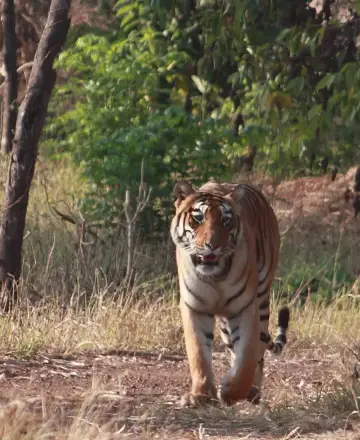
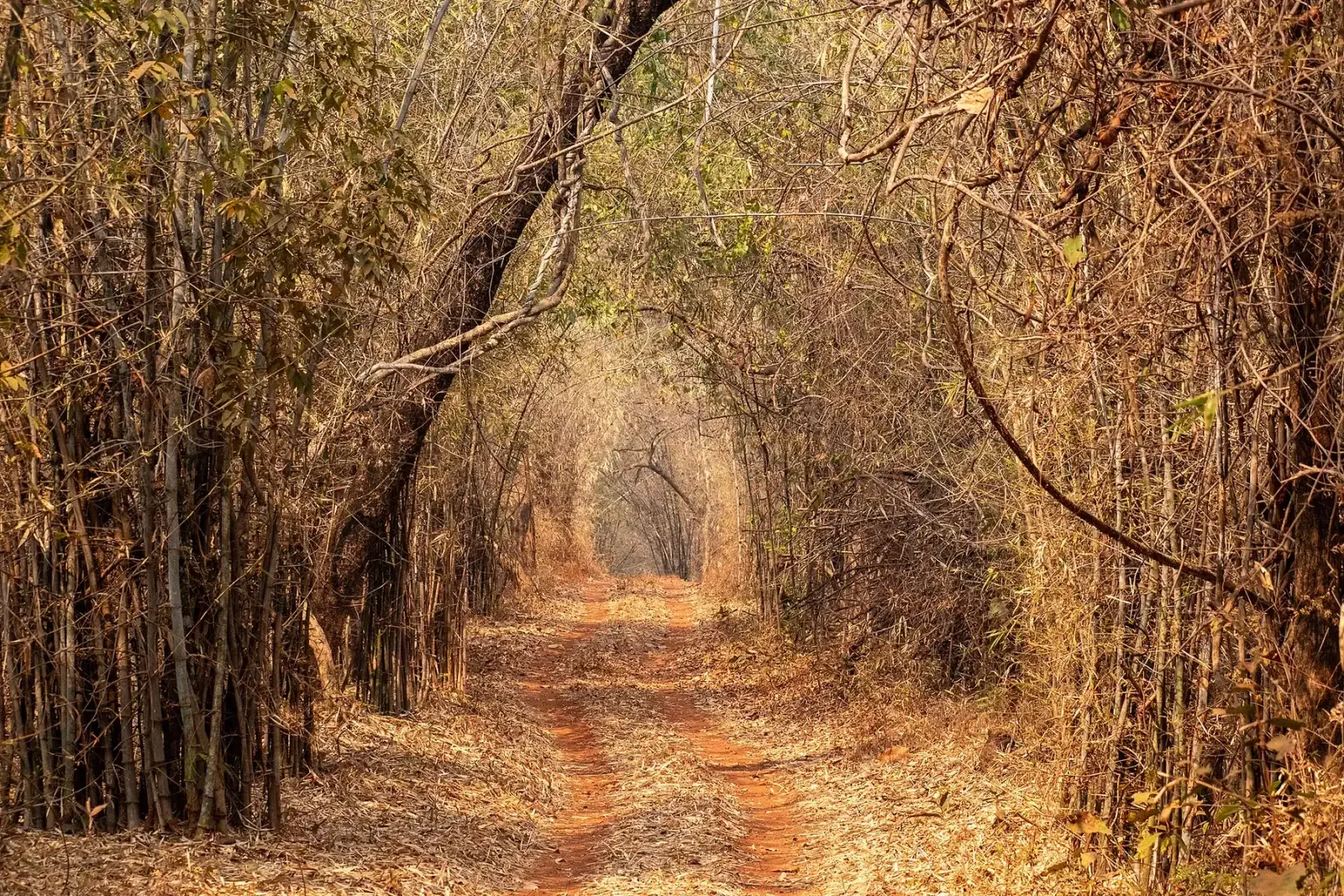
Tadoba-Andhari Tiger Reserve lies in Maharashtra’s Chandrapur district, where teak woodland, bamboo, grassland, rocky ridges, seasonal streams and permanent water meet. It contains Tadoba National Park and Andhari Wildlife Sanctuary within a much larger core-and-buffer conservation landscape.
The name “Tadoba” is associated with Taru, a local deity honoured at a shrine near Tadoba Lake. The Andhari River gives the sanctuary its second name. Together, these histories make the reserve both an ecological stronghold and a cultural landscape.
Teak dominates extensive tracts, with bamboo across a substantial part of the habitat. Ain, bija, dhaoda, haldu, salai, semal and tendu add structural diversity; mango, jamun and arjun favour moister ground.
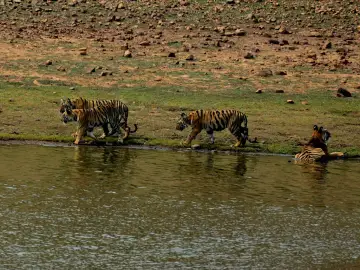
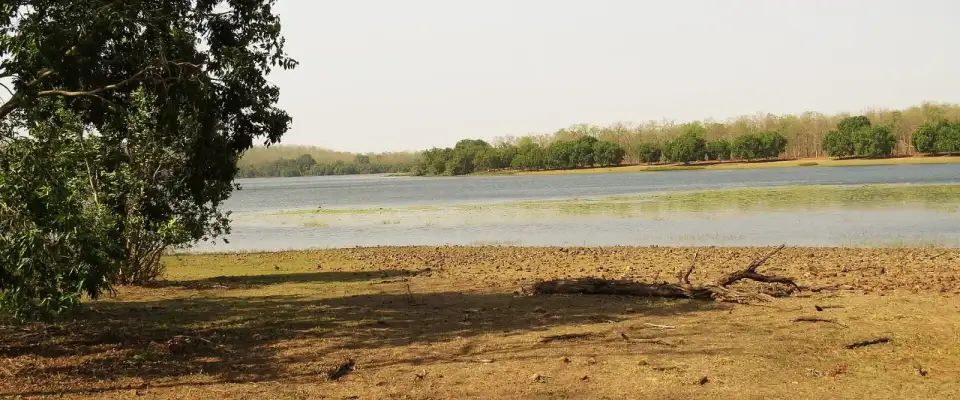
Tadoba Lake, the Andhari River and a network of perennial and seasonal sources sustain wetland life and become especially influential in the dry months. Grasslands, forest edges, rocky slopes and drainage lines change vegetation, visibility and animal use across the reserve.
Protection, habitat management, research, monitoring and coexistence around the buffer operate together. Field staff and patrols protect habitat; camera trapping and field evidence track populations; water, grasslands, fire and invasive plants need long-term management.
Community-led tourism and conservation incentives in the buffer connect local livelihoods with a healthy forest. Tourism is only one visible part of that system.
The directory follows the current grouping on the official Tadoba tourism portal. Gate status and schedules can change — recheck before booking.
Southern TadobaA major visitor cluster connecting two core gates with four buffer entry areas near Chandrapur.
 Northern Tadoba
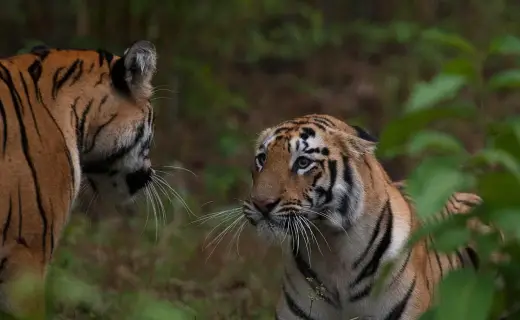
A northern cluster centred on Kolara Core and a broad set of buffer entry areas.
 North-eastern Tadoba
A compact visitor cluster with Navegaon Core plus Navegaon Ramdegi and Nimdela buffer access.
 South-eastern Tadoba
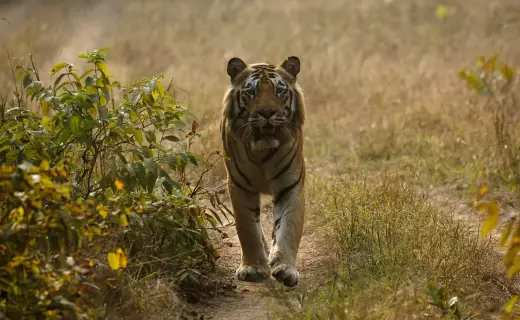
A large south-eastern cluster spanning two core gates and five buffer entry areas.
Territory holders by zone, past and present, from official records, dated news and 2024–25 field reports. Territories change every season; no live locations are given.
| Zone | Past holders | Now (October 2026) |
|---|---|---|
| Moharli Zone | Waghdoh (T-33) (Until 2015); Madhuri (T-10) (c. 2014–2022); Sonam (T-24) (c. 2015–2022+); Maya (T-12) (c. 2014 – August 2023); Matkasur (T-49 in a 2024 official account) (c. 2019); Lara (T-19) (2022); Madhu / Chhoti Madhu (T-127) (2022–2026); Chhoti Tara (c. 2024–2025) | Field reports from 2024–25 say Chhoti Tara and her daughters Roma and Bijli now use Maya’s old Pandharpauni ground, while Telia remains contested. No official territory map is published. |
| Kolara Zone | Bajrang (Until c. 2020); Junabai (2018–2025); Xylo (c. 2022–2025); Veera and Bela (c. 2024) | Field reports from 2025 name the male Xylo (born 2019) across the Kolara, Madnapur, Belara and Palasgaon buffers, with the tigress Junabai raising cubs in the Madnapur–Kolara buffer. |
| Navegaon Zone | Mowgli (Until early 2021); Chhota Matka (T-126) (2021 – August 2025); T-158 (Brahma) (12 May 2025); Chhota Matka (T-126) (27 August 2025) | Open. Since Chhota Matka was removed in August 2025, field reports describe young transient males competing for the Navegaon and Nimdela area; no new dominant male is confirmed. |
| Pangdi & Zari Zone | Shivaji (c. 2015–2021) | Few dated records are public for this quieter side. Treat any named “ruler” here as unverified until the reserve publishes it. |
Official profiles record 280 bird species, 54 reptiles, 11 amphibians, 84 fishes and 667 flowering plants — a tiger reserve protects an entire living system.
Evidence-labelled histories built from official reserve publications — historical ranges only, never live locations.
Comfortable safari temperatures, softer light and lingering green after the monsoon. Mornings feel cold in an open vehicle.
Heat intensifies, foliage thins and water becomes a strong influence on where animals move. Prepare for high daytime temperatures.
The forest regenerates. Core and buffer access differ in the monsoon, so consult the live official schedule.
Not exactly. Tadoba National Park is one protected component of the larger Tadoba-Andhari Tiger Reserve, which also includes Andhari Wildlife Sanctuary plus a notified buffer landscape.
The official booking portal groups tourism into four visitor-facing clusters: Navegaon, Moharli, Kolara, and Pangdi & Zari. Each cluster contains specified core and buffer gates or entry areas.
No. Tourism zones organise visitor access, while forest ranges are administrative units used to manage and protect the reserve. This guide keeps the two systems separate.
There is no single best season for every traveller. Late winter offers comfortable conditions, summer concentrates wildlife activity around water, and the monsoon transforms the landscape while access varies by zone. Always confirm current openings before travel.
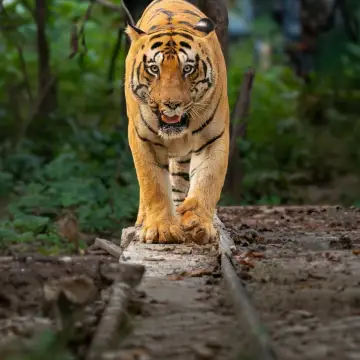
No single tiger rules the whole reserve. In 2025 field reports name the male Xylo across the Kolara buffers and the tigress Chhoti Tara around Pandharpauni, while Navegaon has been open since Chhota Matka (T-126) was removed in August 2025.
Kolara gate is about 110 km (2–2.5 hours) and Moharli gate about 140–150 km (3–3.5 hours) from Nagpur. Moharli is only 30–45 km from Chandrapur.
No. Tadoba is a wild landscape, and sightings depend on animal movement, weather, route allocation and chance. A responsible safari values the entire forest ecosystem.
30,000+
Travellers have explored the wild with us across India.
4.9 / 5
Rated across TripAdvisor and Google reviews.
Naturalist-led
Safaris planned around official gates, seasons and permits.
24/7 on-trip help
We are reachable before, during and after your trip.
Facts on wildlife and visitor access can change. These are the principal references for this page; always confirm current permits and rules with the responsible forest department.
Photos without a credit below are by Wild Excursions. The rest come from Wikimedia Commons under the licences shown.
Zone, gate, resort and permits — share your dates and we will send a complete Tadoba plan with a free quote within 24 hours.
Explore More
Wildlife Encyclopedia