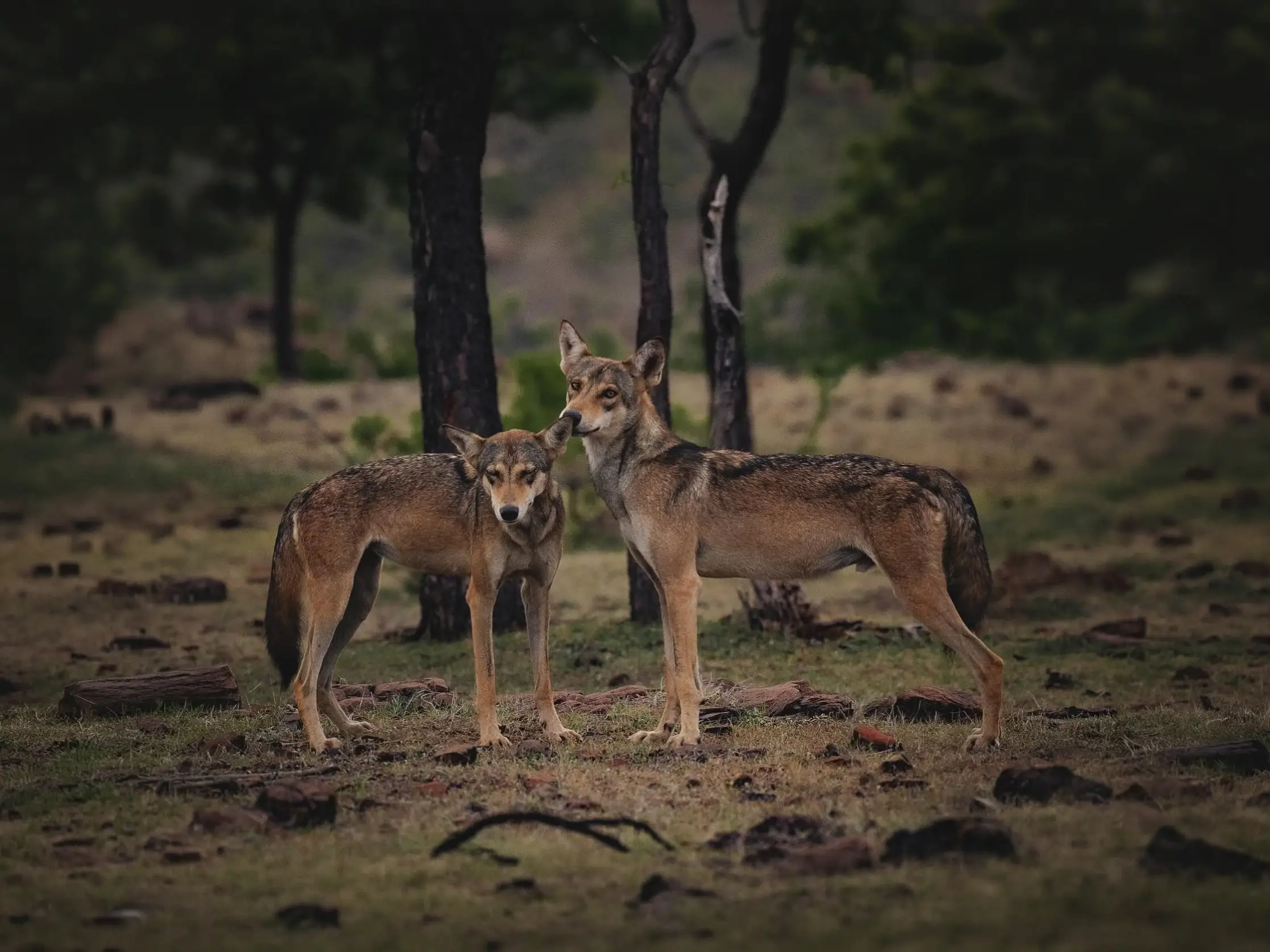
Photography · Tadoba
Tadoba Wildlife Photography Safari Guide
The short answer
For serious photography in Tadoba, plan 6–8 drives and consider the full-day core photography permit (₹50,000 per Gypsy for Indian visitors, ₹70,000 for foreign visitors, max 4 photographers, only 3 Gypsies a day). Shoot April–May for tiger action at water and November–February for soft, misty light. Bring a 100–400 mm or 150–600 mm zoom and a bean bag, and leave the drone at home.
- Full-day core permit
- ₹50,000
- Daily cap
- 3 Gypsies
- Photographers / Gypsy
- Up to 4
- Ideal lens
- 100–400 / 150–600 mm
- Drives to plan
- 6–8
On this page
The full-day photography permit
Regular drives last about four hours, and you share the morning's best sighting with every vehicle on the route. The full-day permit changes that: your Gypsy can stay in the core from 15 minutes before opening until 15 minutes after closing, including the quiet midday hours when tigers often lie up in water.
| Permit | Indian visitors | Foreign visitors |
|---|---|---|
| Full-day core photography safari | ₹50,000 | ₹70,000 |
| Full-day buffer safari | ₹50,000 | ₹70,000 |
| Regular core Gypsy (for comparison) | ₹5,800 weekday / ₹6,800 weekend, booked 1–59 days ahead | |
Light and seasons
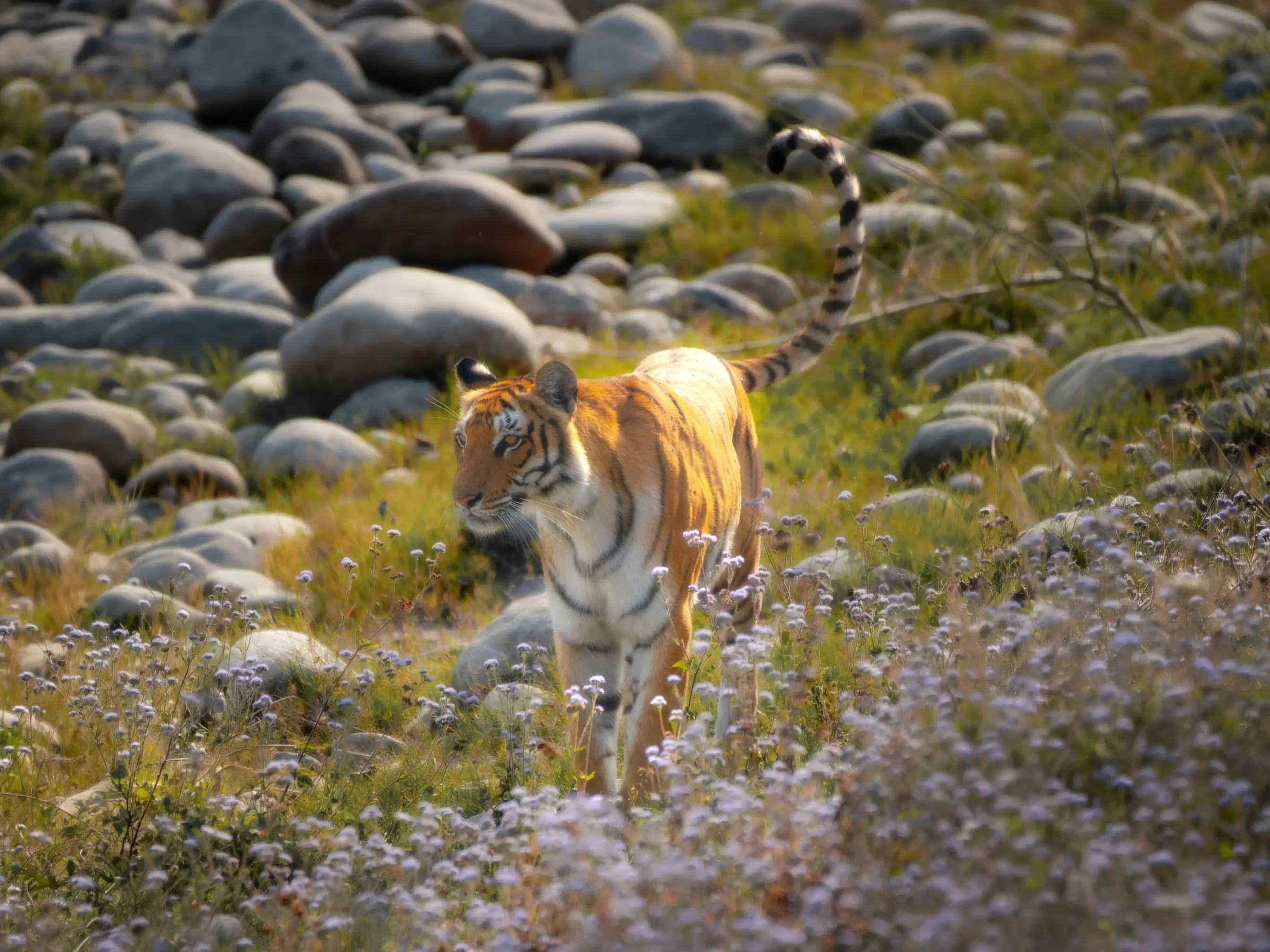
- November–February: misty mornings, low golden light, green backgrounds. Beautiful, but tigers are less predictable.
- March: flame-orange palash and fading leaves, with sightings climbing. A favourite for colour.
- April–May: peak tiger action at water, harsh midday light and dusty air. Shoot early and late.
- Monsoon (buffer only): rain-washed greens and dramatic skies, for the patient.
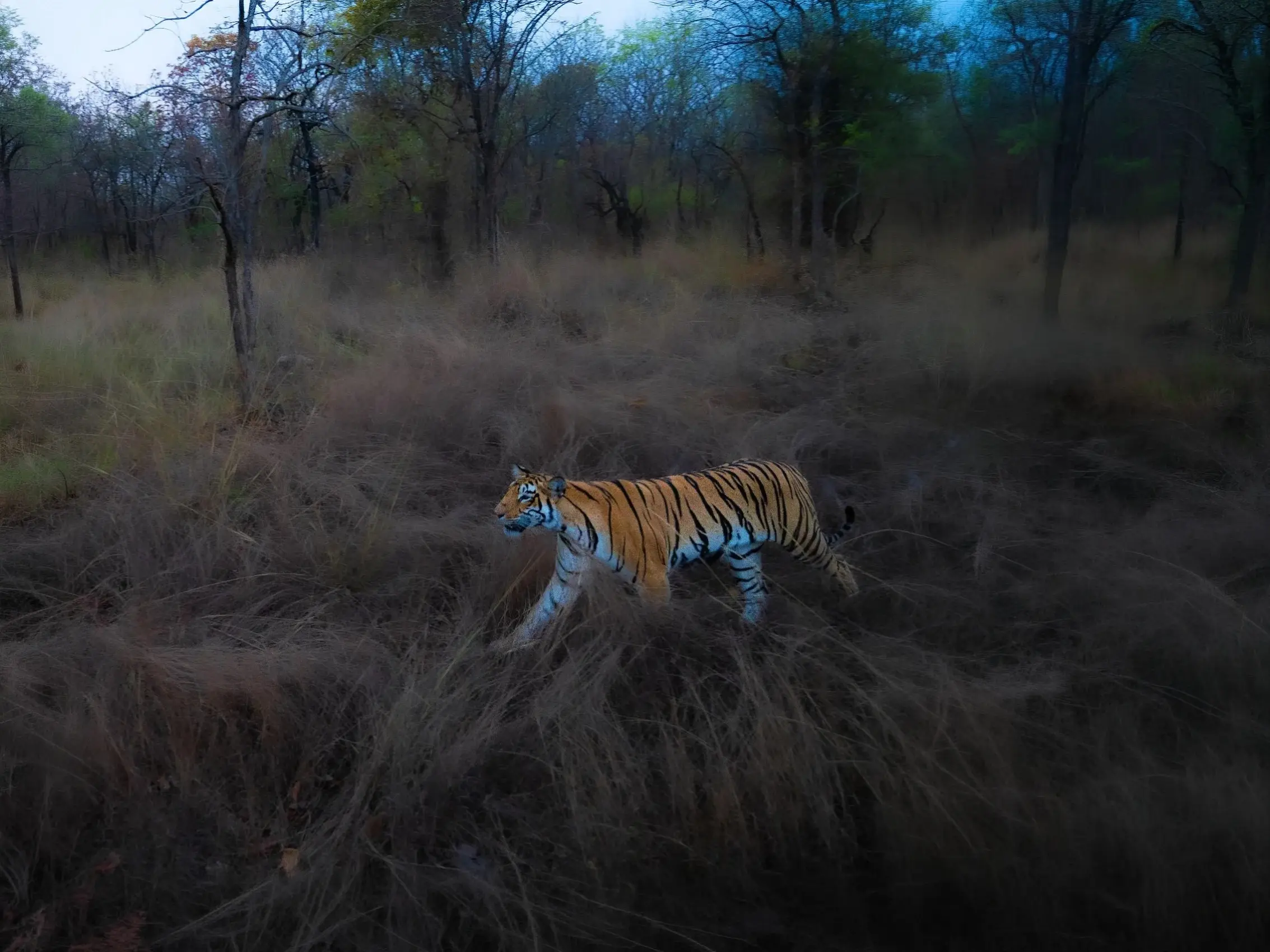
Zones for photographers
- Moharli core: lake-side action at Tadoba Lake and Telia Lake in summer.
- Kolara and its buffers: Belara's open ground gives clean backgrounds and good light.
- Navegaon Ramdegi: hills and rocky outcrops for habitat frames.
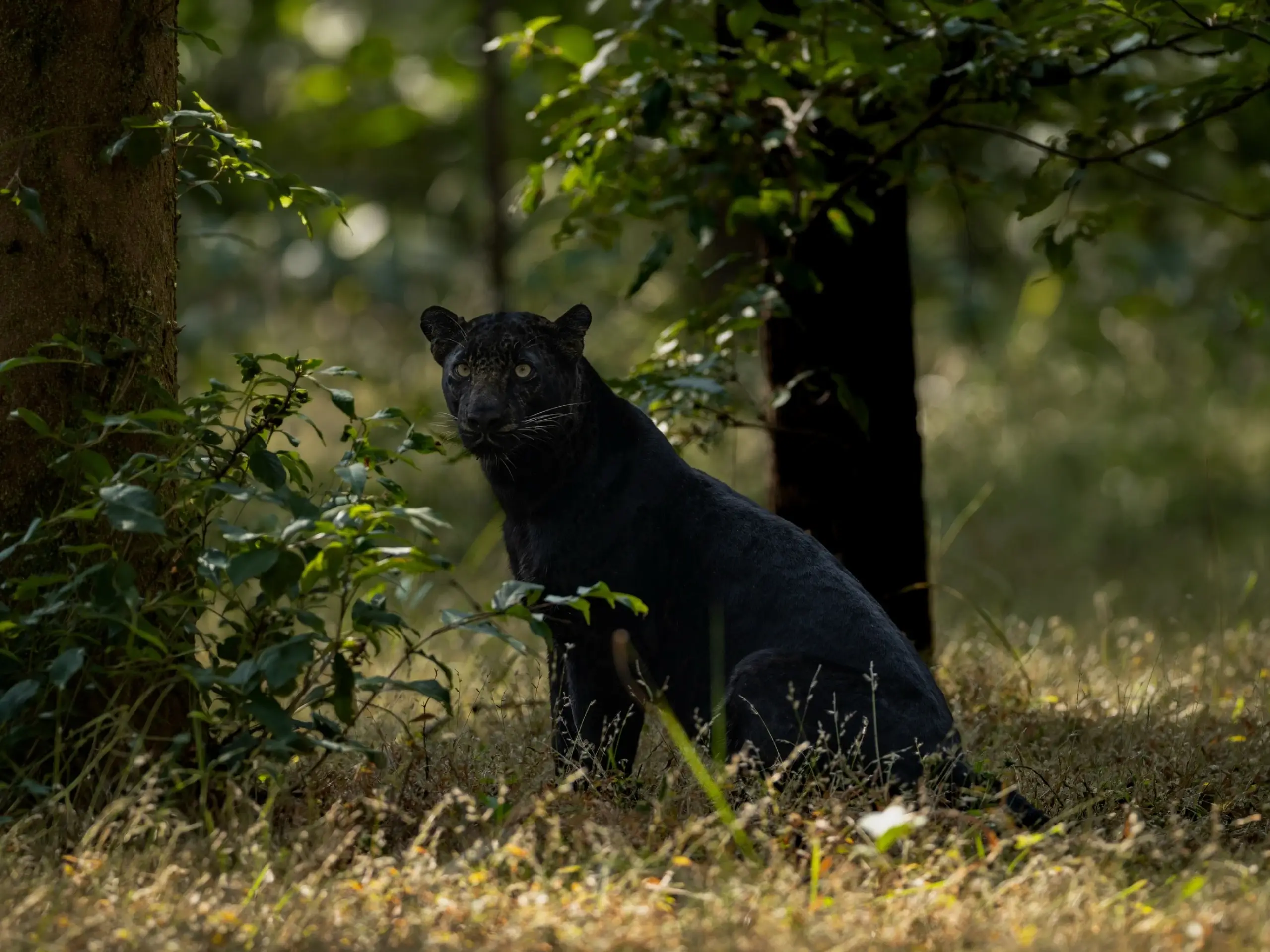
- Pangdi side: leopards, and the slim chance of the black leopard, with very few vehicles.
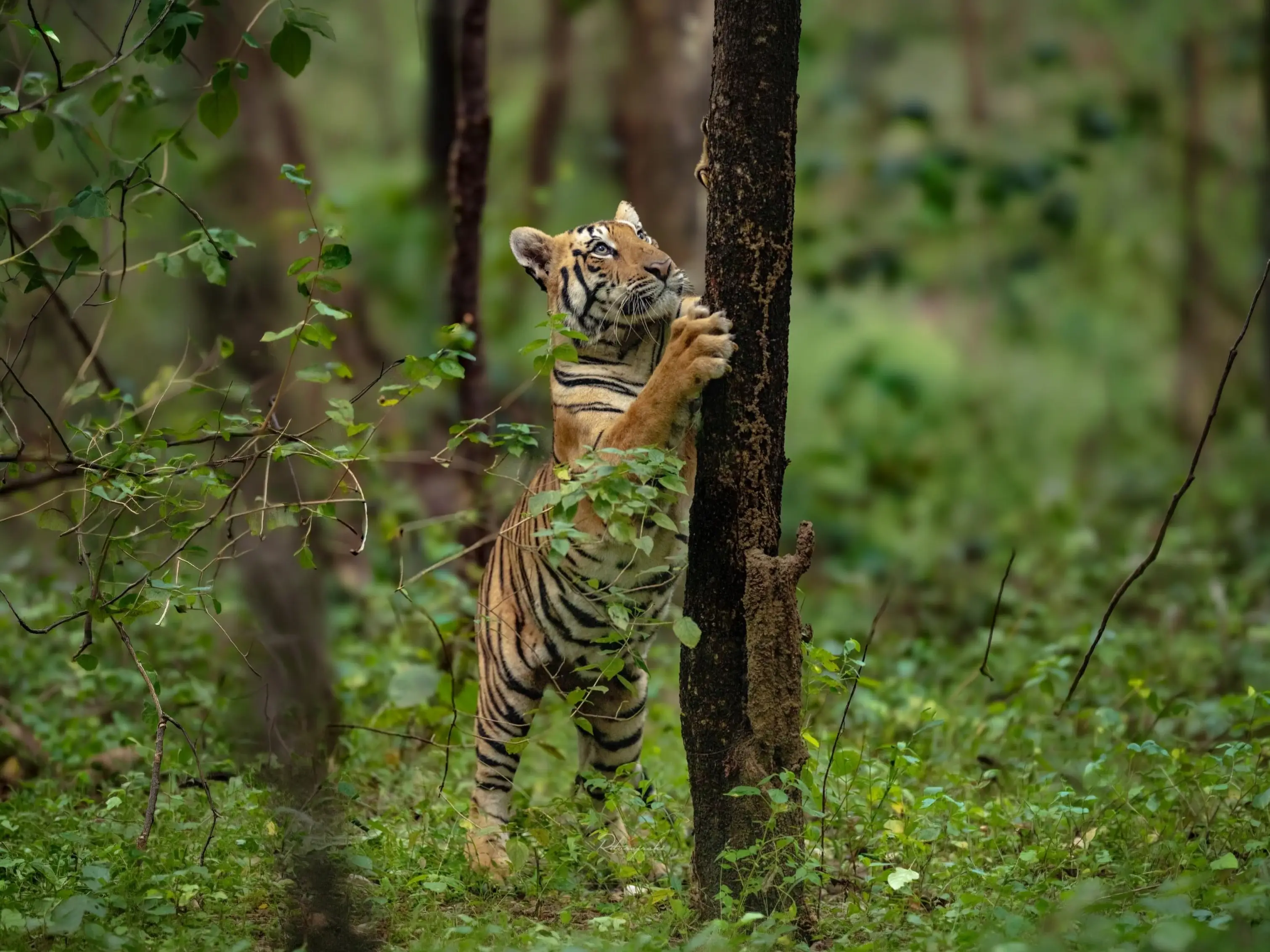
Gear and settings
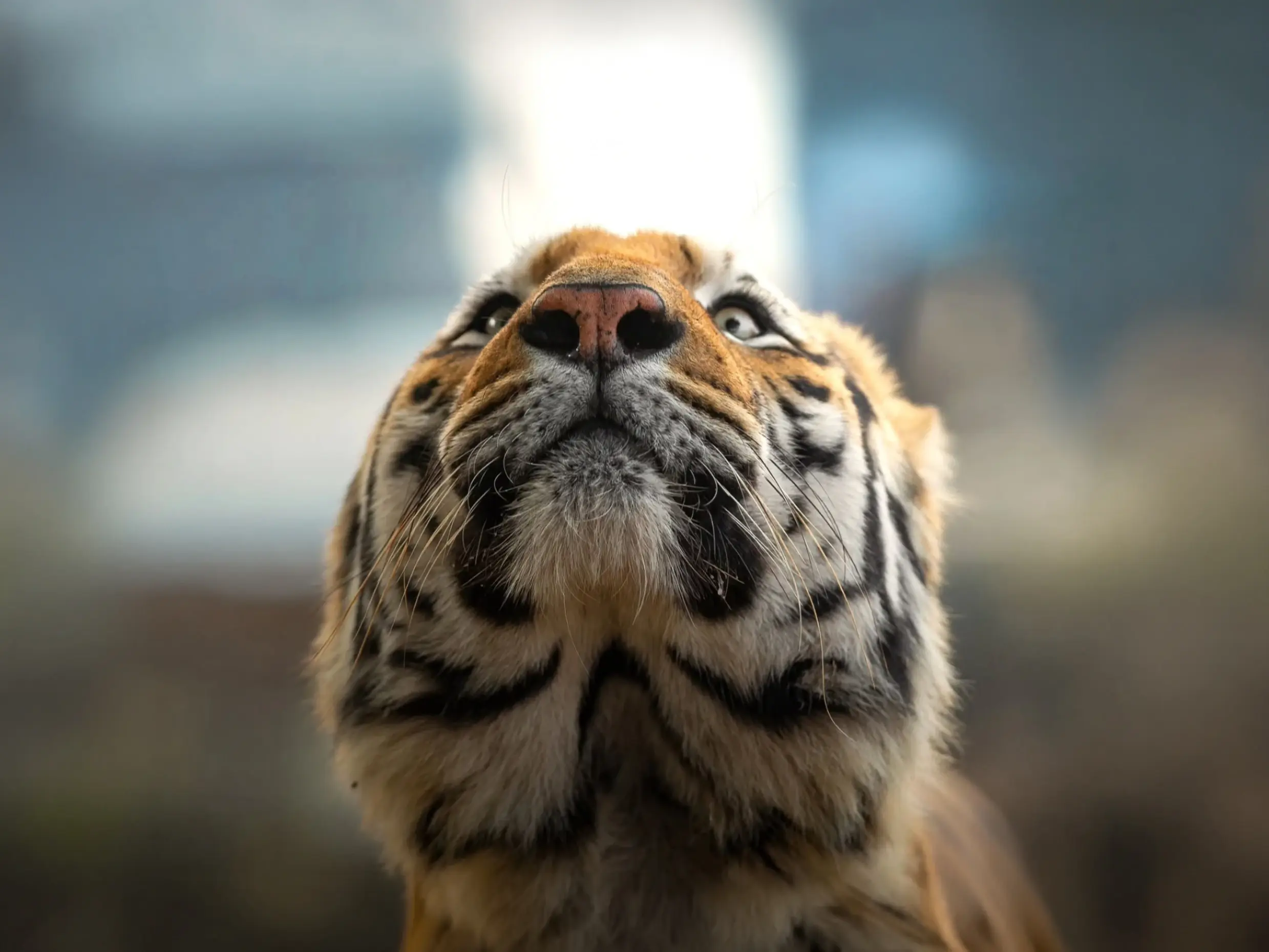
- Main lens: 100–400 mm or 150–600 mm zoom. Primes are lovely but less flexible from a Gypsy.
- Second body or lens: 24–70 mm for habitat and vehicle-context shots.
- Support: a bean bag on the roll bar beats a monopod in a crowded Gypsy.
- Settings: start around 1/1000 s for walking tigers, use auto ISO, and expose for the highlights in harsh summer light.
- Protection: a rain cover or cloth against dust, plus spare batteries and cards. There's no charging in the forest.
Ethics and rules
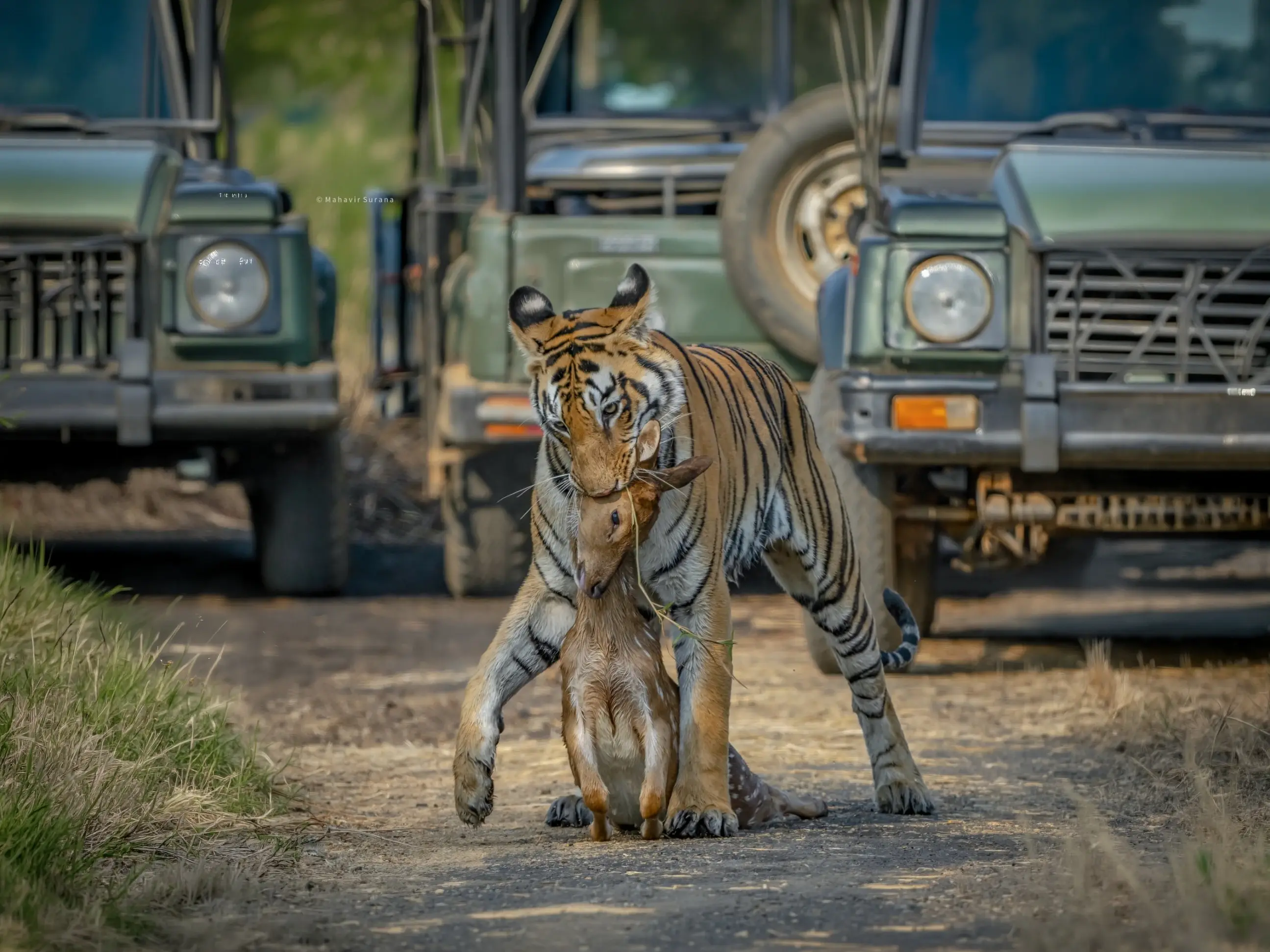
The reserve requires vehicles to keep at least 20 m from any animal, for no more than 15 minutes, with 50 m between vehicles and no leaving the Gypsy. Banned electronics can draw a ₹5,000 fine. Beyond the rules: never ask a driver to block a tiger's path, chase a moving animal or make noise to get a head-turn. The best Tadoba images come from waiting at the right place, not from pushing.
Frequently asked questions
Is Tadoba good for wildlife photography?
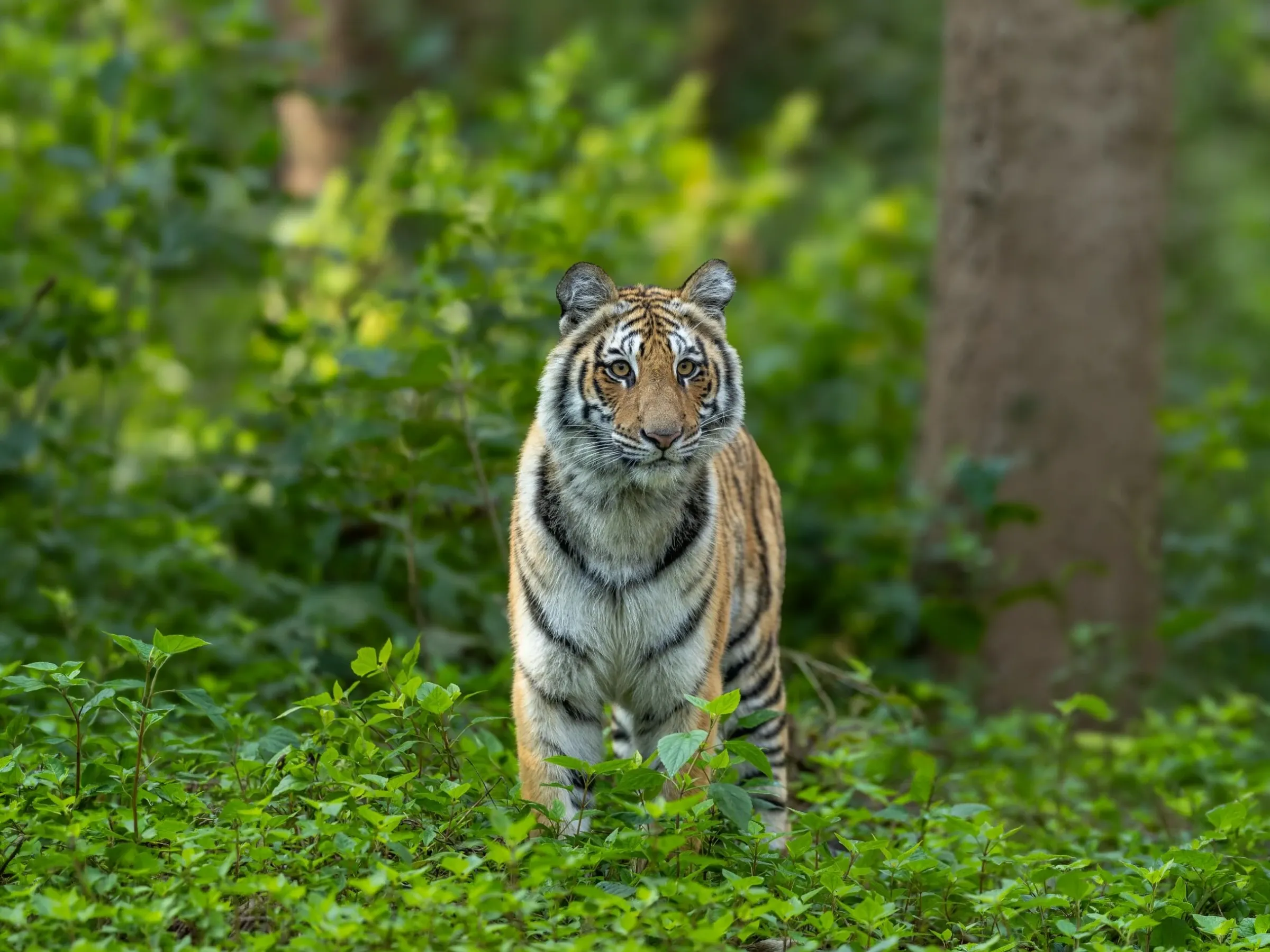
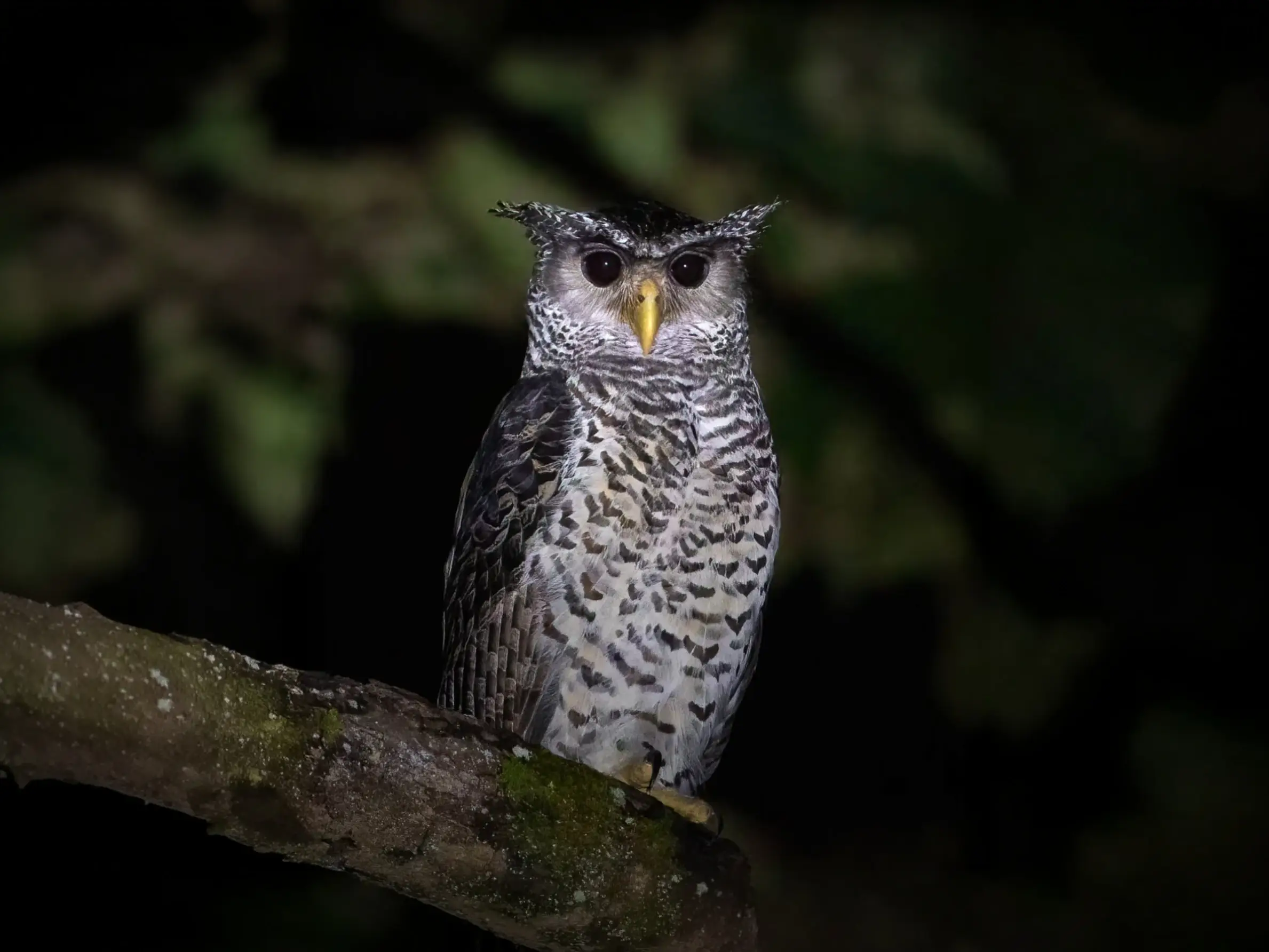
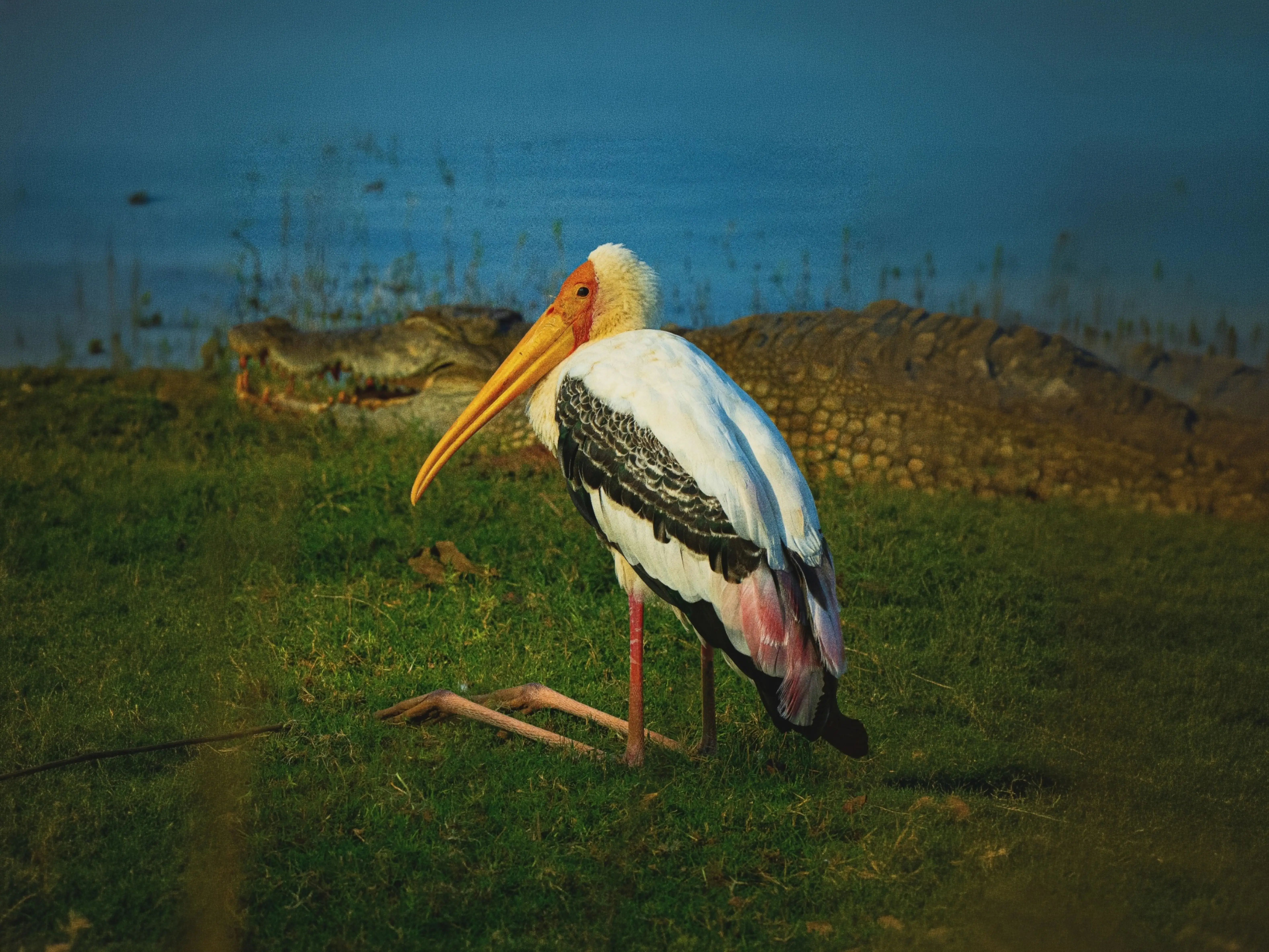
Yes. Tadoba is one of India's best reserves for tiger photography. The dry forest thins out from March, tigers spend time at lakes and waterholes, and there's a strong supporting cast of leopards, sloth bears, wild dogs and around 195 bird species.
What is the full-day photography safari in Tadoba?
A special core permit that lets one Gypsy stay in the core from 15 minutes before opening until 15 minutes after closing. It costs ₹50,000 for Indian visitors and ₹70,000 for foreign visitors per Gypsy, allows up to 4 photographers, is capped at three Gypsies a day, and needs an application to the Field Director along with a valid regular booking.
What lens should I bring to Tadoba?
A 100–400 mm or 150–600 mm zoom covers most situations from an open Gypsy. Add a 24–70 mm for habitat shots. A bean bag for the vehicle rail is more useful than a tripod.
What is the best month for photography in Tadoba?
April and May give the most tiger action at water. November to February give soft, misty light and green backgrounds. March is a good compromise, with flowering palash and improving sightings.
Can I use a drone or flash in Tadoba?
Leave both at home. Flying a drone over a tiger reserve needs forest-department permission, which tourists won't get, and the reserve's rules prohibit distracting electronics and disturbing wildlife. Shoot with natural light, and keep camera sounds quiet near animals.
Keep planning your Tadoba trip
Talk to a Tadoba naturalist
Not sure which gate, zone or resort fits your dates?
Tell us when you're travelling and what you want to see. We'll check permit and room availability, then send you a plan that fits.