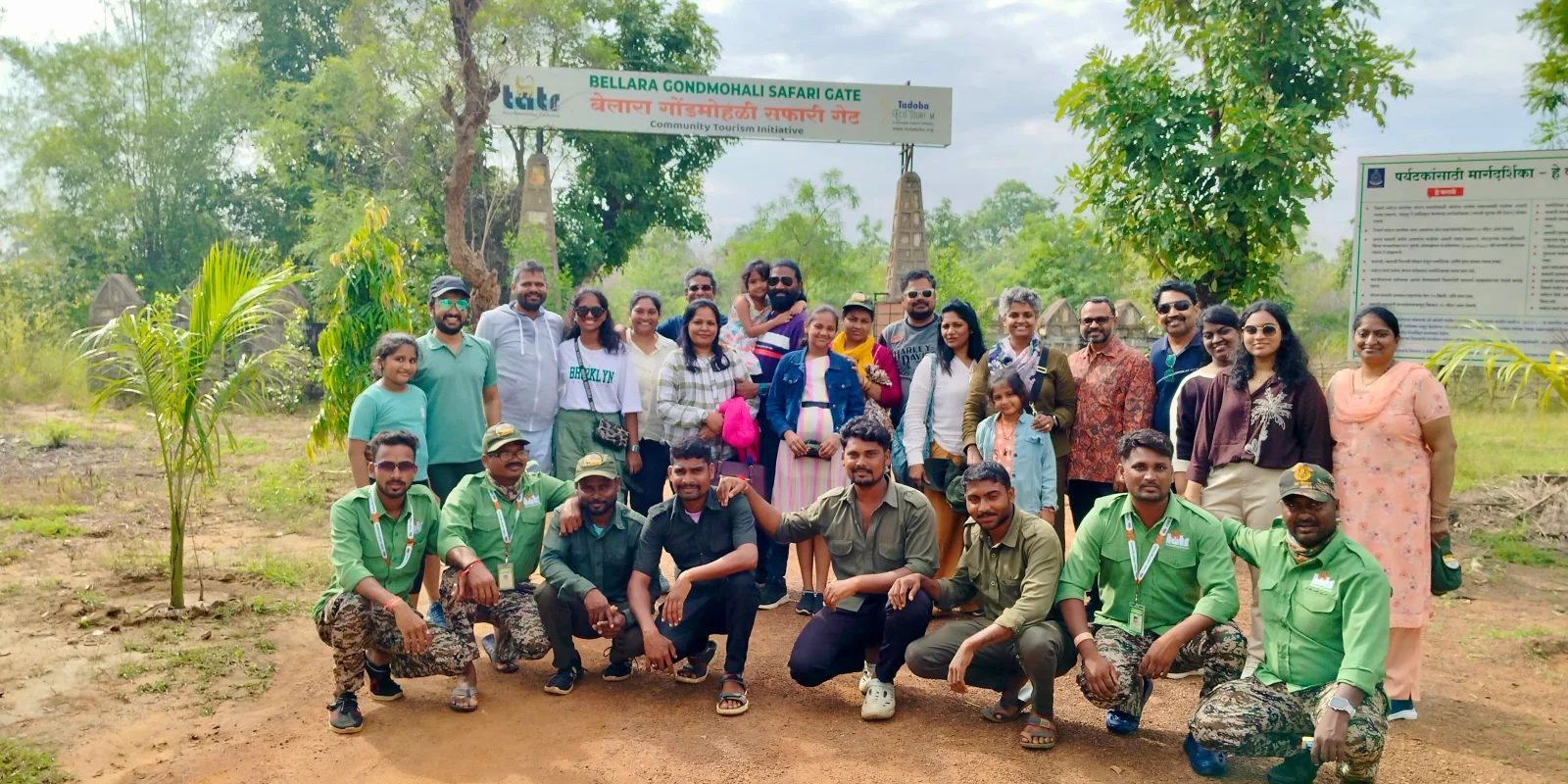
A jungle safari is one of the few holidays where children genuinely put the screen down. There is no substitute for a nine-year-old watching a herd of gaur cross a track twenty feet away.
But a family safari planned like an adult safari usually goes badly. Four hours in an open vehicle at 6 AM, no toilet, no snacks, and a tiger that never shows up is a long morning for everyone. Here is how to plan one that works.
Is Your Child Old Enough?
There is no universal minimum age, and most Indian reserves allow young children, often with free or reduced entry below a certain age. The practical question is different: can your child sit reasonably still and stay quiet for three to four hours?
Under 4: Possible, but honestly difficult. The drives are long, bumpy and cold in winter mornings. Consider a shorter buffer-zone safari instead of a full core drive.
Ages 5 to 8: This is where safaris start to click. Kids at this age are captivated by deer, monkeys, peacocks and birds — they do not need a tiger to have a wonderful time.
Ages 9 and up: The sweet spot. Old enough to understand what they are seeing, patient enough to wait, and often the most enthusiastic person in the vehicle.
Teenagers: Give them a camera or a pair of binoculars and a job. Engagement follows responsibility.
Choosing the Right Park for a Family
Not all reserves are equally family-friendly.
Pench (Maharashtra side) — our most frequent family recommendation. Close to Nagpur, shorter transfer times, abundant visible wildlife, and lower costs.
Tadoba buffer zones — good tiger chances with fewer vehicles and generally shorter drives from resorts than some core gates.
Umred-Karhandla — only 90 minutes from Nagpur, quiet, and short enough drives to suit younger children.
Kanha — beautiful but large, with long distances between zones. Better for families with older children and more days available.
The key criteria are short transfer times and resorts with a pool, because the afternoon between safaris is as important as the safaris themselves.
Structuring the Trip
Do not plan four safaris in two days with young children. Two or three is plenty. An exhausted child on the last drive will make everyone miserable.
A format that works well:
Day 1: Arrive, settle in, afternoon safari • Day 2: Morning safari, pool and rest all afternoon, nature walk or village visit in the evening • Day 3: Morning safari, then travel home
Build in downtime deliberately. Most good resorts have pools, nature trails, cycling, birdwatching around the property, and evening documentary screenings.
What to Pack for Kids
Warm layers for winter mornings. This is the most commonly underestimated item. A December morning in an open Gypsy at 6 AM can be near freezing with wind chill. Full-sleeve fleece, cap, and gloves.
Neutral clothing — olive, khaki, brown, grey. Bright colours and white stand out.
Closed shoes, not sandals.
Snacks and water. Pack more than you think. A biscuit at hour three prevents a meltdown. Carry the wrappers out — never leave anything in the forest.
Binoculars, ideally a small child-sized pair. This single item transforms the experience. Give a child their own binoculars and they become a participant rather than a passenger.
A simple wildlife checklist. Print a sheet of species with pictures and let them tick off sightings. It turns waiting into a game.
Sunscreen, cap, and any medication.
Wet wipes and a small towel. Dust is guaranteed.
Keeping Kids Engaged When There Is No Tiger
Most safaris do not produce a tiger. Manage expectations before you start — say plainly that tigers are wild and rare, and that finding tracks is exciting in itself.
Things that work:
Pugmark hunting. Teach them to spot tracks in the dust and to tell front paw from rear. • Alarm call listening. Explain that a chital's bark or a langur's alarm means a predator is nearby. Kids love being the first to hear it. • Bird counting. Set a target of ten species in a drive. • Dung and feeding signs. Slightly gross, universally popular. • Their own photos. An old phone or a basic camera keeps them looking outward.
Safety Rules Every Child Must Understand
Go through these before your first drive, clearly and once:
1. Stay seated and inside the vehicle at all times. No exceptions, no standing on seats. 2. No hands or feet outside. 3. Quiet voices only. Loud noise scares wildlife and, at a close sighting, can be genuinely dangerous. 4. Never feed or try to touch any animal, including monkeys around the resort. 5. Listen to the guide immediately. If he says sit down, sit down.
Frame these as the rules of being in a wild animal's home rather than as restrictions, and children take them seriously.
Resort Choices That Make a Difference
Look for: a pool, family rooms or interconnecting rooms, a kitchen that will make simple plain food on request, some green space to run around in, and reliable power and hot water.
Ask specifically about meal timings. Safari schedules mean 5:30 AM tea and late breakfasts, which needs planning if you have a child who eats on a fixed routine.
Let Us Plan a Family Trip That Actually Works
Wild Excursions has arranged family safaris for groups of every size and age mix, including large multi-family groups. We match zones and resorts to the ages travelling, keep transfer times short, book full vehicles so nobody is squeezed in with strangers, and put you with guides who are genuinely good with children — which is a specific skill and not universal.
Tell us the ages of your children and how many days you have. We will build the rest.
See our tours · Plan a family safari
Frequently Asked Questions
What is the minimum age for a jungle safari in India?
Most reserves allow children of any age, often with free entry below a certain age, but children aged five and above generally enjoy the experience far more.
Which national park is best for families?
Pench on the Maharashtra side, Tadoba's buffer zones, and Umred-Karhandla all work well — short transfers and plenty of visible wildlife.
How many safaris should we book with children?
Two or three across a two to three night trip, with plenty of rest time between drives.
Is a jungle safari safe for kids?
Yes, provided everyone stays seated inside the vehicle and follows the guide's instructions.
What should children wear on safari?
Neutral colours, closed shoes, and warm layers for winter mornings — it gets genuinely cold in an open Gypsy at dawn.
Ready to see it for yourself?
Browse Safari Tours