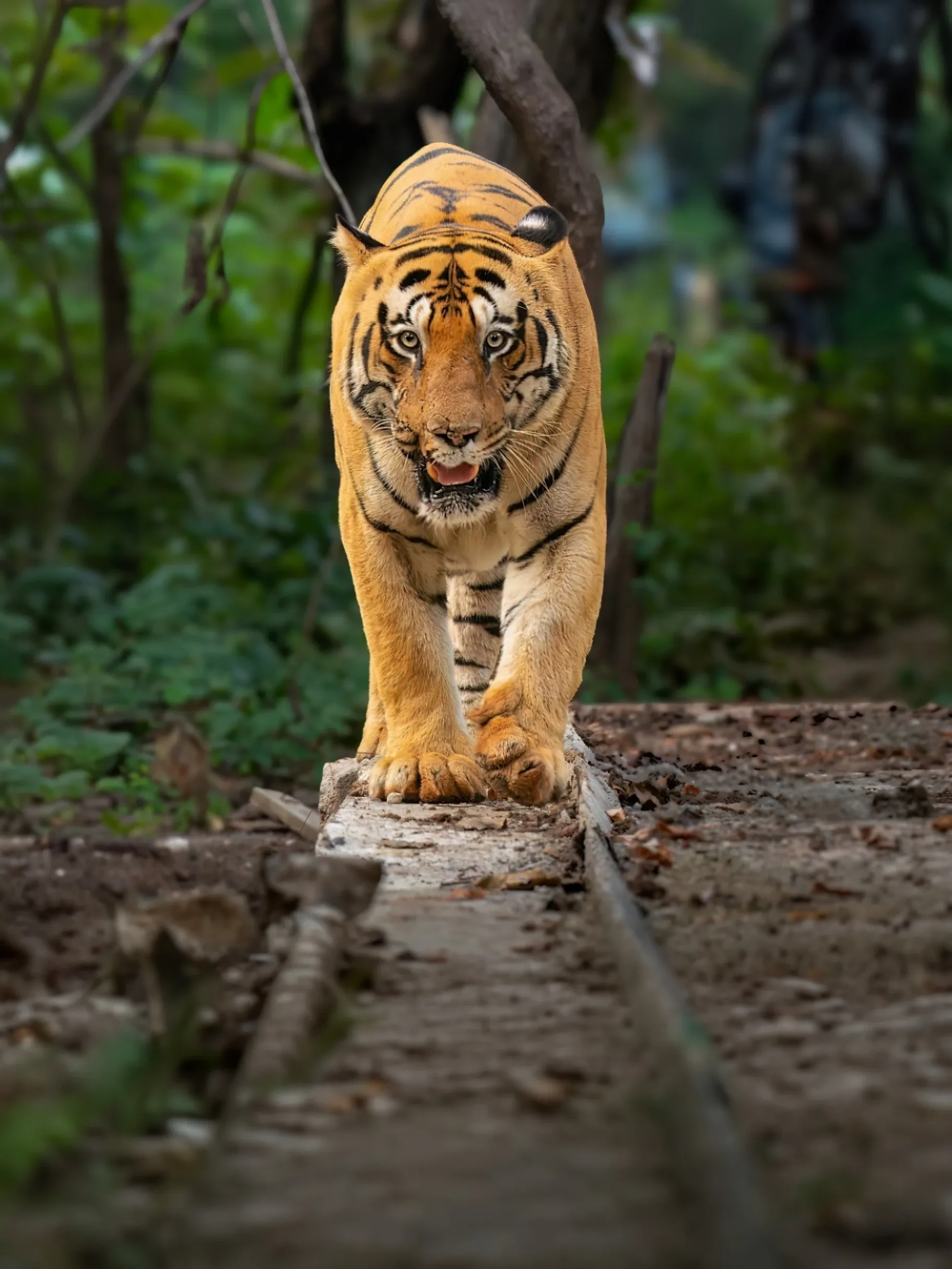
Wildlife of Tadoba & Pench: Animals Guide with Facts & Photos
Quick Answer
Tadoba and Pench share the same Central Indian wildlife: the Bengal tiger (India has 3,682 tigers, 2022 estimate), Indian leopard, dhole, sloth bear, gaur, sambar, chital, nilgai, wild boar and mugger crocodile. 7 of these 10 species are listed as Endangered or Vulnerable by the IUCN. March to June is the best time to see most of them, when animals gather near water.
- Species guides
- 10
- Endangered / Vulnerable
- 7
- India’s tigers (2022)
- 3,682
- India’s leopards (2022)
- 13,874
Highlights
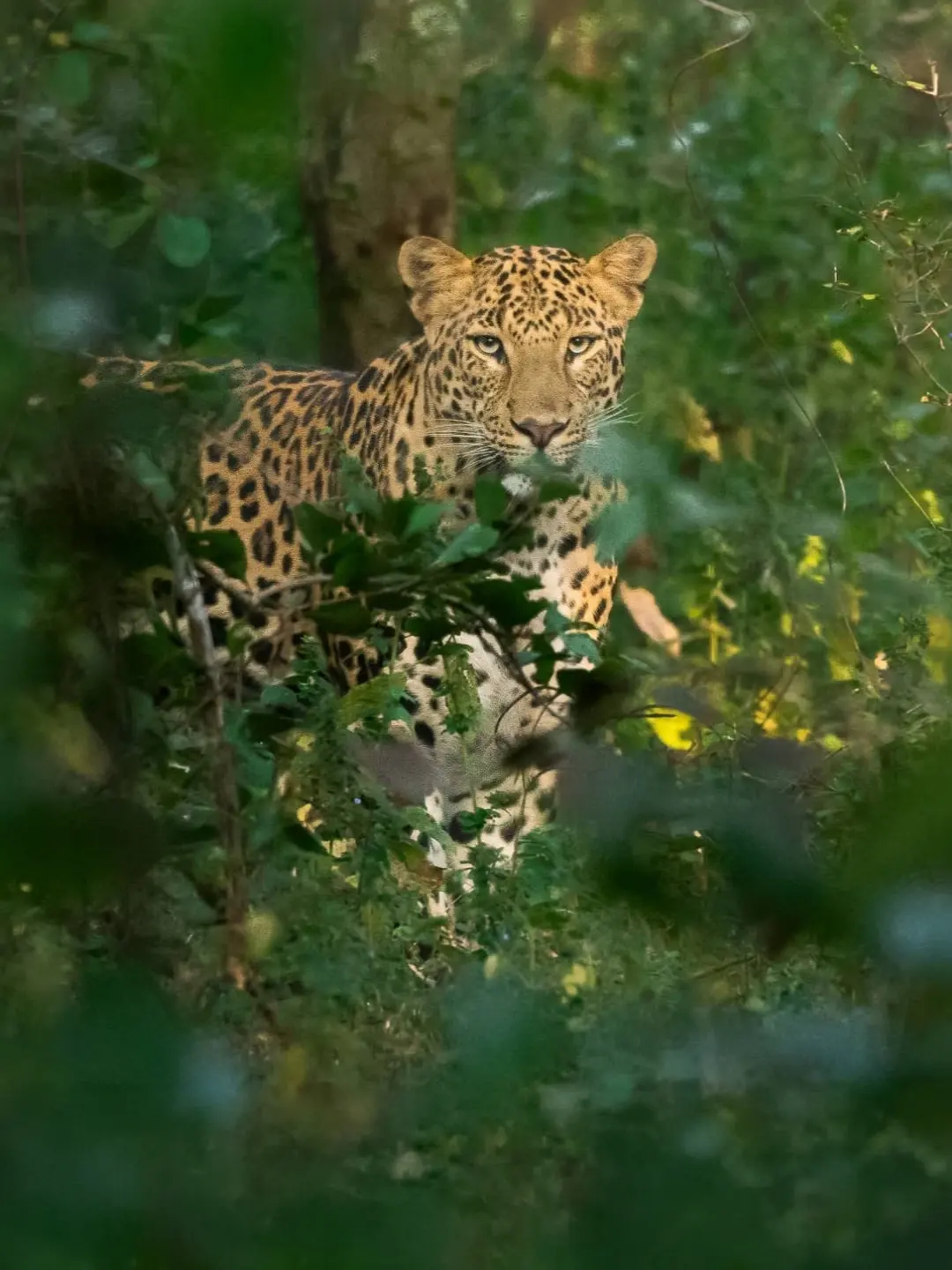
- Big cats: Bengal tiger (Endangered) and Indian leopard (Vulnerable), including rare black leopards.
- Predators and omnivores: dhole (Endangered) and sloth bear (Vulnerable).
- Prey species: gaur, sambar, chital, nilgai and wild boar sustain the predators.
- Wetland life: mugger crocodiles bask on Tadoba Lake and the Pench reservoir.
Tadoba and Pench Animals at a Glance
Each species links to a full guide with identification, size, diet, behaviour, conservation and park-specific notes.
| Animal | Scientific name | IUCN status | Typical weight | Local name |
|---|---|---|---|---|
| Bengal Tiger | Panthera tigris tigris | Endangered | Males commonly 180–260 kg; females 100–160 kg | Wagh (Marathi), Bagh / Sher (Hindi) |
| Indian Leopard | Panthera pardus fusca | Vulnerable | Males roughly 50–75 kg; females 30–40 kg | Bibat (Marathi), Tendua / Guldar (Hindi) |
| Dhole | Cuon alpinus | Endangered | About 10–20 kg | Kolsunda (Marathi), Jungli Kutta / Son Kutta (Hindi) |
| Sloth Bear | Melursus ursinus | Vulnerable | Males about 80–145 kg; females 55–95 kg | Aswal (Marathi), Bhalu (Hindi) |
| Gaur | Bos gaurus | Vulnerable | Males about 600–1,500 kg; females about 440–1,000 kg | Gawa (Marathi), Indian bison |
| Chital | Axis axis | Least Concern | Stags about 30–75 kg; hinds 25–45 kg | Chital / Spotted deer (Marathi: Thipkewala Haran) |
| Sambar | Rusa unicolor | Vulnerable | Stags about 185–260 kg; hinds 100–160 kg | Sambar (Marathi and Hindi) |
| Nilgai | Boselaphus tragocamelus | Least Concern | Bulls about 110–290 kg; cows 100–210 kg | Neelgai / Blue bull (Marathi: Rohi) |
| Wild Boar | Sus scrofa | Least Concern | Adults commonly 50–100+ kg; males larger | Ran Dukkar (Marathi), Jungli Suar (Hindi) |
| Mugger Crocodile | Crocodylus palustris | Vulnerable | Large males up to about 450 kg | Magar (Marathi and Hindi), Marsh crocodile |
Best Time to See Each Animal
Seasonal tips from the species guides.
| Animal | Best time and place |
|---|---|
| Bengal Tiger | March–June, when animals gather near water; morning drives are most productive. |
| Indian Leopard | Winter and summer mornings on quieter routes; in Tadoba the Pangdi–Kolsa side is known for leopards, including melanistic sightings. |
| Dhole | Early mornings in winter and summer, along open tracks and meadows. |
| Sloth Bear | March–June, when bears forage for mahua flowers and termites near tracks. |
| Gaur | Winter and summer, grazing in meadows and along forest roads. |
| Chital | Year-round, especially around meadows and water at dawn and dusk. |
| Sambar | Summer, when they wallow in waterholes such as Pandharpauni. |
| Nilgai | Winter, in open buffer country and forest edges. |
| Wild Boar | Year-round, often in family groups (sounders) along tracks. |
| Mugger Crocodile | Sunny winter afternoons on the banks of Tadoba Lake and the Pench reservoir. |
Why These Forests Hold So Much Wildlife
Teak and bamboo forest, grassland, rivers and permanent lakes create a mosaic where grazers, browsers and predators all find food and cover. Strong protection and connected corridors let tigers and dholes move between reserves.
Watching Wildlife Responsibly
Keep the required distance, stay inside the vehicle and follow your guide. Never feed, call or pursue animals, and do not share precise locations of dens, nests or cubs.
Frequently Asked Questions
Which animals can you see in Tadoba?
Bengal tiger, Indian leopard, sloth bear, dhole, gaur, sambar, chital, nilgai, wild boar and mugger crocodile, plus around 280 bird species recorded by the reserve.
Which animals live in Pench National Park?
The same Central Indian community: tiger, leopard, dhole, sloth bear, gaur, sambar, chital, nilgai and wild boar, with mugger crocodiles in the Pench River and reservoir.
How many tigers are there in India?
3,682 according to the 2022 all-India estimate, about 75% of the world’s wild tigers. Maharashtra had 444.
Are there black leopards in Tadoba and Pench?
Yes. Melanistic (black) leopards have been photographed in Pench and on Tadoba’s Pangdi–Kolsa side, though sightings are rare.
Which is the largest animal in Tadoba?
The gaur, the world’s largest wild cattle, with bulls standing up to about 2.2 m at the shoulder.
Species Guides
 EndangeredBengal TigerRead guide
  VulnerableIndian LeopardRead guide
 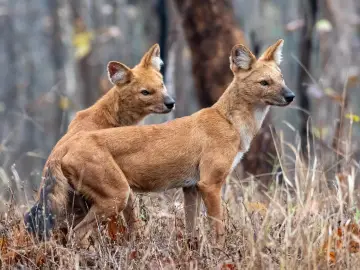 EndangeredDholeRead guide
 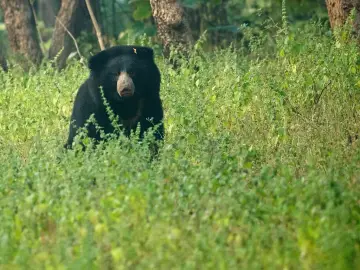 VulnerableSloth BearRead guide
 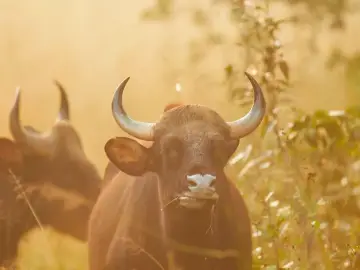 VulnerableGaurRead guide
 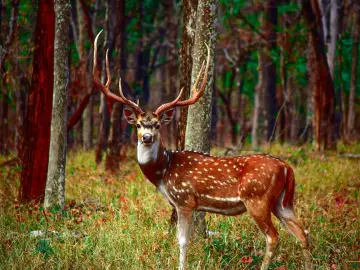 Least ConcernChitalRead guide
 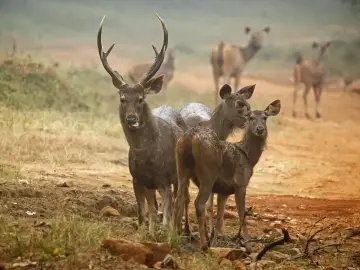 VulnerableSambarRead guide
 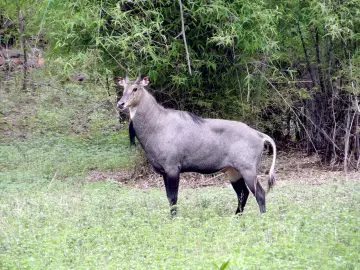 Least ConcernNilgaiRead guide
 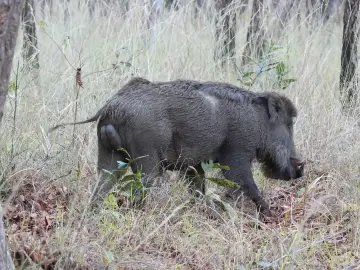 Least ConcernWild BoarRead guide
 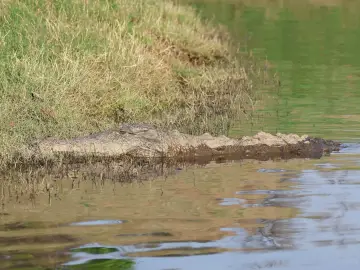 VulnerableMugger CrocodileRead guide
 30,000+
Travellers have explored the wild with us across India.
4.9 / 5
Rated across TripAdvisor and Google reviews.
Naturalist-led
Safaris planned around official gates, seasons and permits.
24/7 on-trip help
We are reachable before, during and after your trip.
Sources & References
Facts on wildlife and visitor access can change. These are the principal references for this page; always confirm current permits and rules with the responsible forest department.
Photo Credits
Photos without a credit below are by Wild Excursions. The rest come from Wikimedia Commons under the licences shown.
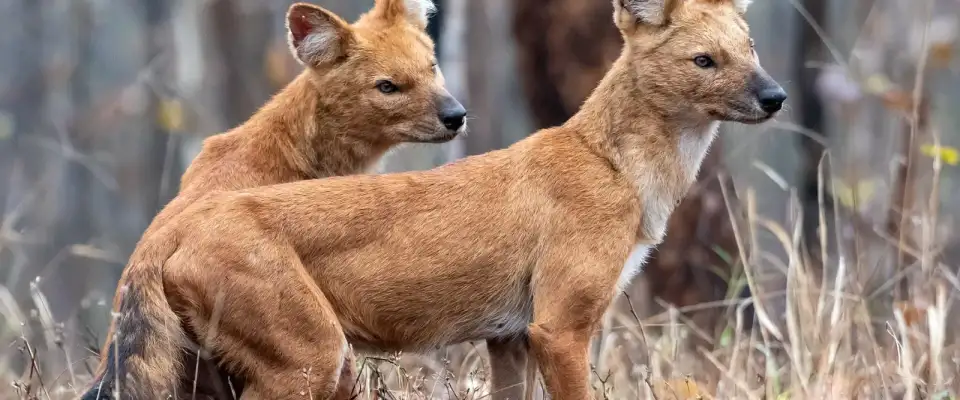
- Pair of dholes standing alert in Pench National Park — Rohit Sharma, CC BY-SA 4.0
- Sloth bear standing in tall green grass in Tadoba — Davidvraju, CC BY-SA 4.0
- Gaur bull with large curved horns in golden light — Upamanyu Das, CC BY-SA 4.0
- Mugger crocodile basking at a water edge in Satpura National Park — Bernard Gagnon, CC BY 4.0
- Chital stag with full antlers in Pench National Park, Madhya Pradesh — Mayurisamudre, CC BY-SA 4.0
- Nilgai bull standing at the forest edge in Tadoba — AmolTG, CC BY-SA 4.0
Spot these animals on a safari
Tell us which animals you most want to see. Our naturalists pick the park, zone and season that give you the best chance.
Explore More
Wildlife Encyclopedia