Dhole (Cuon alpinus): Facts, Size, Habitat & Where to See in India
Quick Answer
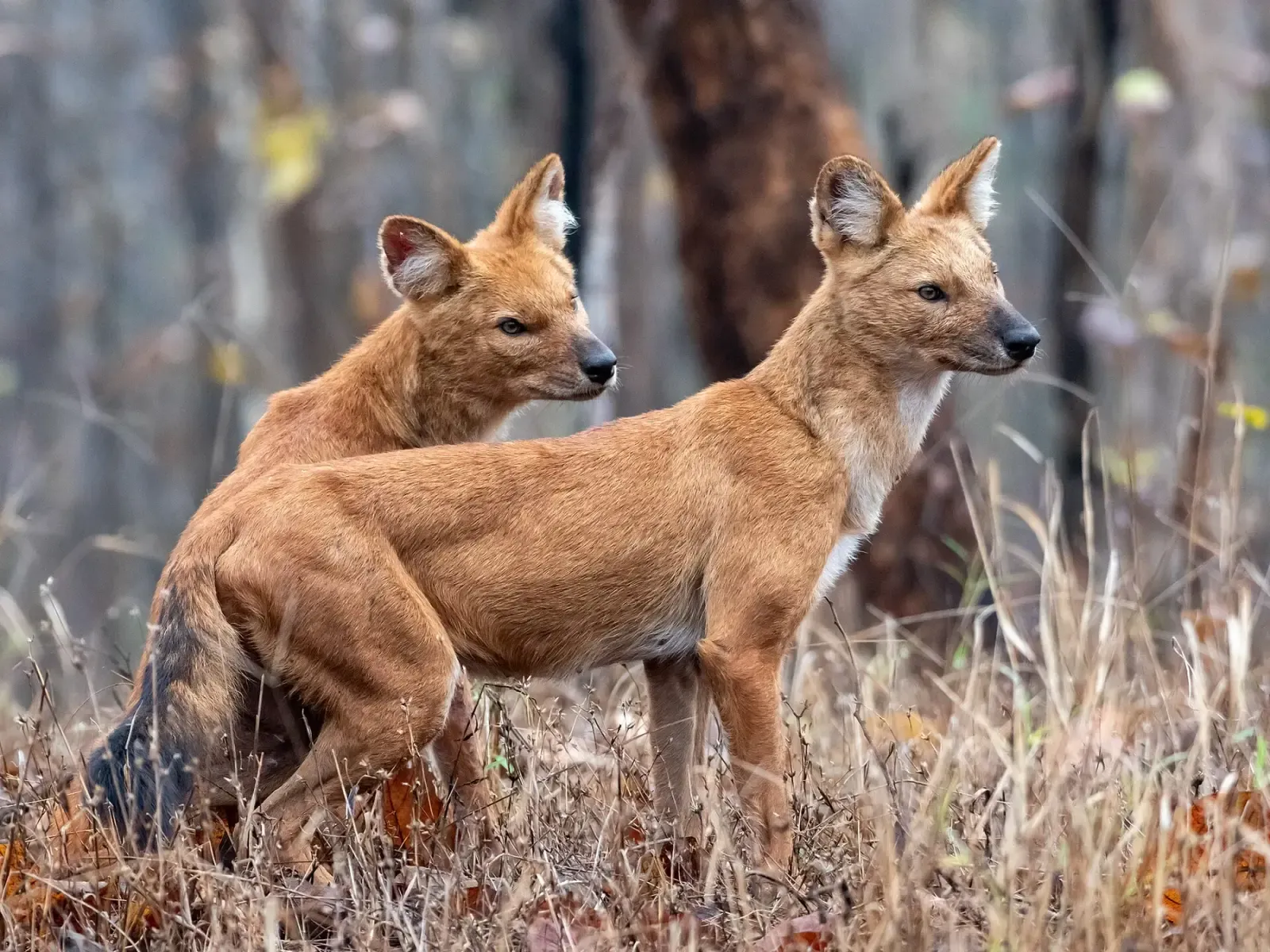
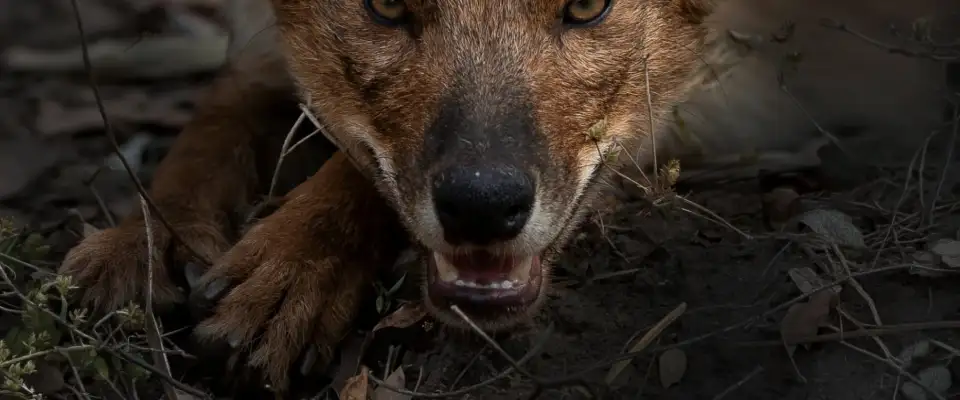
The dhole (Cuon alpinus) is a mammal listed as Endangered by the IUCN. Rust-red coat, dark bushy tail, rounded ears; almost always seen in a pack. Typical weight: about 10–20 kg. IUCN Endangered: an estimated 949–2,215 mature individuals worldwide; India holds the largest share.. In Central India it lives in both Tadoba and Pench; the best time to see it is early mornings in winter and summer, along open tracks and meadows.
- Scientific name
- Cuon alpinus
- IUCN status
- Endangered
- Weight
- About 10–20 kg
- Lifespan
- About 10 years in the wild
- Local name
- Kolsunda (Marathi), Jungli Kutta / Son Kutta (Hindi)
Highlights
- Rust-red coat, dark bushy tail, rounded ears; almost always seen in a pack.
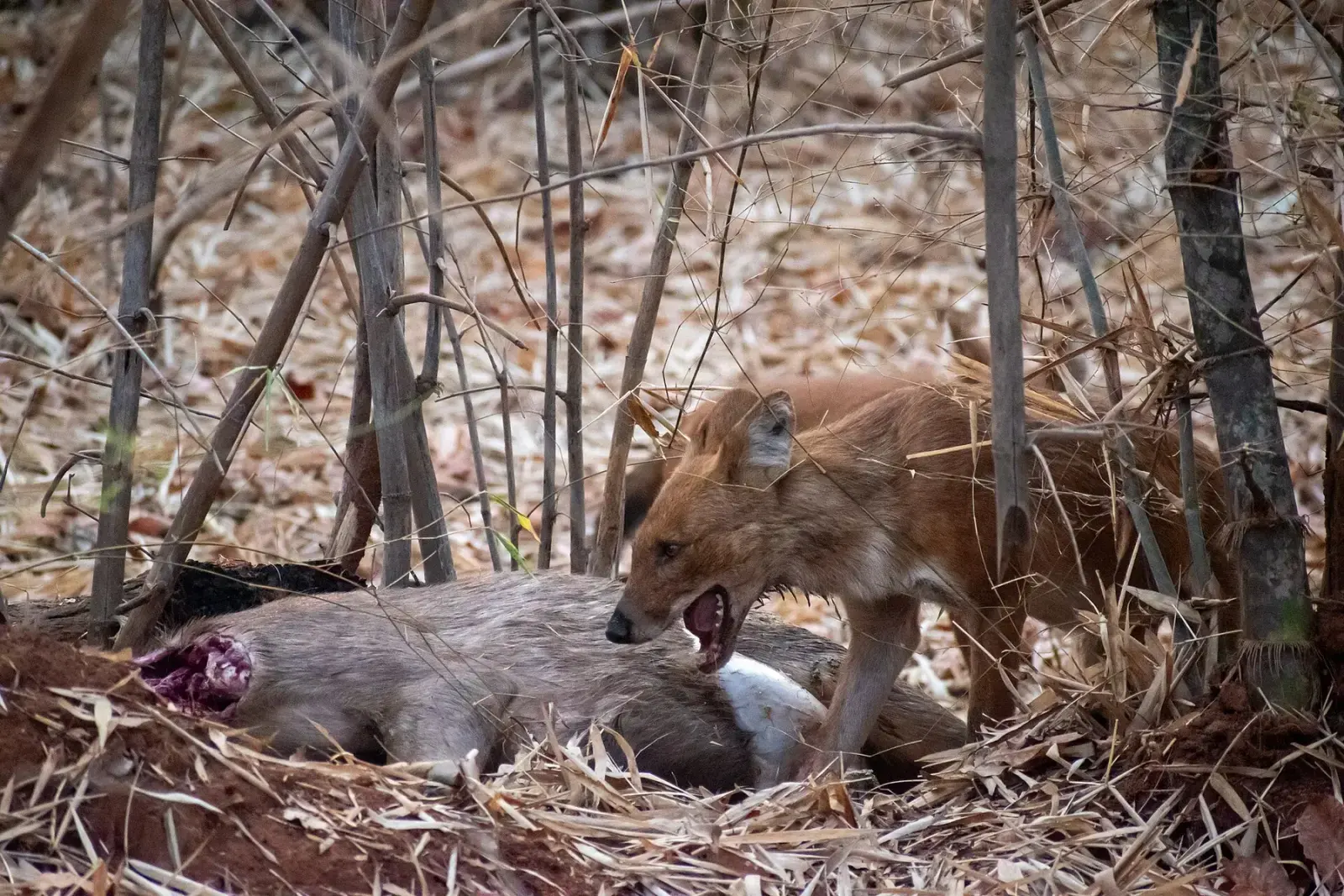
- Primarily ungulates, hunted cooperatively; diet varies with pack size and prey availability.
- IUCN Endangered: an estimated 949–2,215 mature individuals worldwide; India holds the largest share.
- Best time to see: Early mornings in winter and summer, along open tracks and meadows.
Dhole Quick Facts
Key figures for the dhole. Ranges vary between sources and regions; these are commonly cited values.
| Fact | Dhole |
|---|---|
| Scientific name | Cuon alpinus |
| Family | Mammal · Canidae |
| Local names | Kolsunda (Marathi), Jungli Kutta / Son Kutta (Hindi) |
| Size | Body about 90 cm plus a 40–45 cm tail |
| Weight | About 10–20 kg |
| Lifespan | About 10 years in the wild |
| Breeding | Usually one breeding pair per pack; litters of about 4–6 pups after a gestation of around two months. |
| Diet | Primarily ungulates, hunted cooperatively; diet varies with pack size and prey availability. |
| IUCN status | Endangered |
| Population | IUCN Endangered: an estimated 949–2,215 mature individuals worldwide; India holds the largest share. |
How to Identify a Dhole
Rust-red coat, dark bushy tail, rounded ears; almost always seen in a pack.
Combine shape, markings, movement and habitat rather than relying on size impressions alone, especially in poor light.
Dhole Habitat
Connected forest landscapes with adequate prey and low human pressure.
What Does the Dhole Eat?
Primarily ungulates, hunted cooperatively; diet varies with pack size and prey availability.
Diet shifts with season, age and what is locally available, linking the species to vegetation, prey, predators and scavengers.
Dhole Behaviour and Breeding
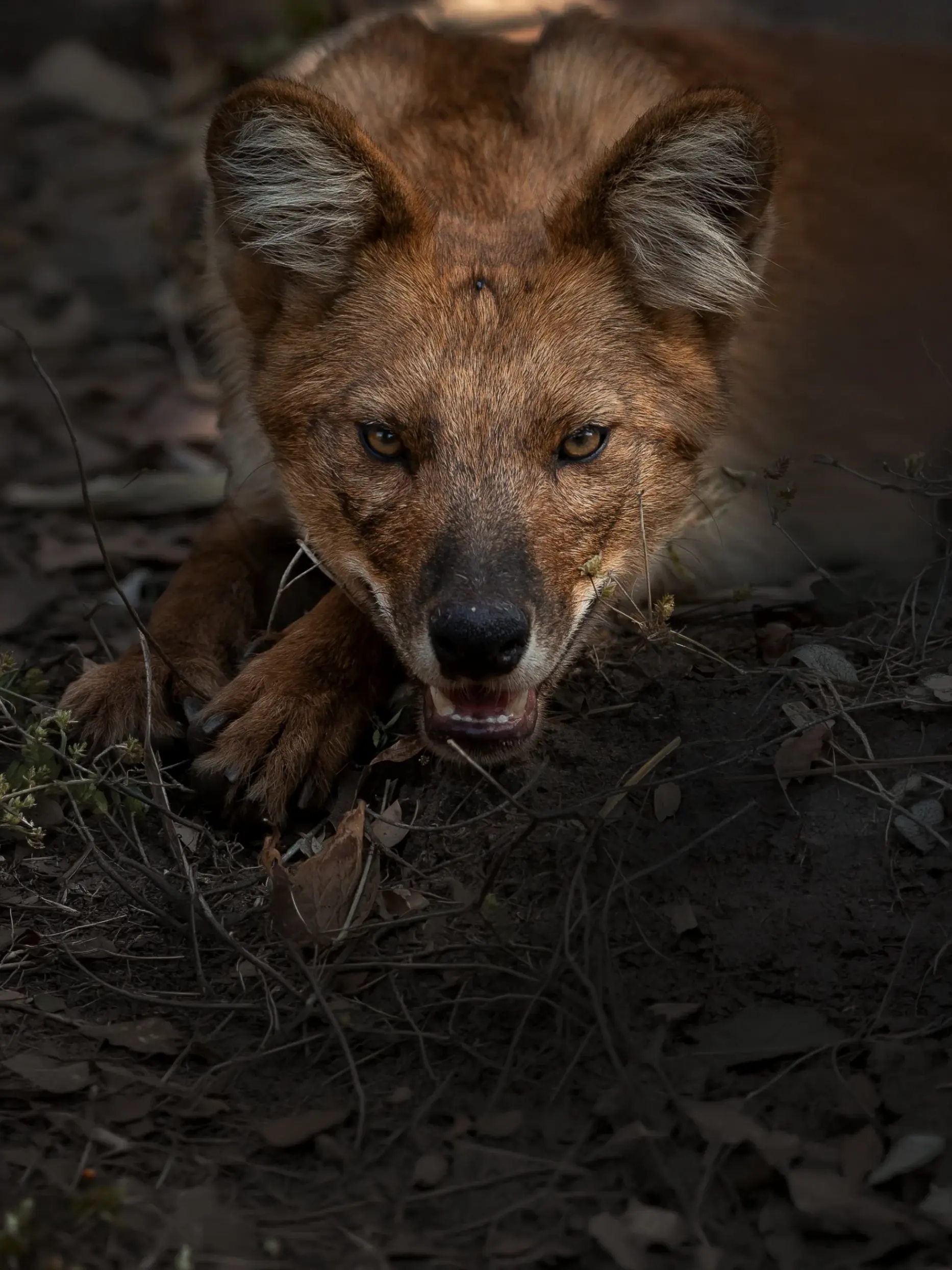
Highly social, living and hunting in packs with complex vocal and social communication.
Usually one breeding pair per pack; litters of about 4–6 pups after a gestation of around two months.
Dhole in Tadoba
Tadoba supports dhole and hosts long-running research on its ecology and diet.
Occurrence does not guarantee a sighting. Habitat, season, activity pattern and route all affect your chances.
Dhole in Pench
Dhole is recorded in the predator guild of both sides of the Pench landscape.
Pench MP and Pench Maharashtra are administered separately but form one connected landscape.
Best Time to See the Dhole
Early mornings in winter and summer, along open tracks and meadows.
Morning drives are generally the most active. Book permits early for March–June, when demand peaks.
Dhole Population and Conservation
IUCN Endangered: an estimated 949–2,215 mature individuals worldwide; India holds the largest share.
Low densities, disease exposure, depleted prey and fragmented habitat make landscape-scale protection essential.
Watching Responsibly
Keep the required distance, stay in the vehicle, and never feed, call, spotlight or pursue wildlife. Follow your guide at all times.
Do not share precise locations of dens, nests or cubs.
Frequently Asked Questions
How big is a dhole?
Body about 90 cm plus a 40–45 cm tail. About 10–20 kg.
Is the dhole endangered?
The IUCN lists it as Endangered. IUCN Endangered: an estimated 949–2,215 mature individuals worldwide; India holds the largest share.
What does the dhole eat?
Primarily ungulates, hunted cooperatively; diet varies with pack size and prey availability.
Where can I see the dhole in India?
In Central Indian tiger reserves including Tadoba-Andhari and Pench. Early mornings in winter and summer, along open tracks and meadows.
How long does a dhole live?
About 10 years in the wild.
What is the dhole called locally?
Kolsunda (Marathi), Jungli Kutta / Son Kutta (Hindi)
Continue Exploring
30,000+
Travellers have explored the wild with us across India.
4.9 / 5
Rated across TripAdvisor and Google reviews.
Naturalist-led
Safaris planned around official gates, seasons and permits.
24/7 on-trip help
We are reachable before, during and after your trip.
Sources & References
Facts on wildlife and visitor access can change. These are the principal references for this page; always confirm current permits and rules with the responsible forest department.
Photo Credits
Photos without a credit below are by Wild Excursions. The rest come from Wikimedia Commons under the licences shown.
- Pair of dholes standing alert in Pench National Park — Rohit Sharma, CC BY-SA 4.0
- Dhole feeding on a carcass in the forest of Tadoba — Rohit Sharma, CC BY-SA 4.0
- Red-earth safari track running through a tunnel of bamboo in Tadoba — Rohit Sharma, CC BY-SA 4.0
- Wide view of the largest lake in Tadoba-Andhari Tiger Reserve under a clear sky — Aashay25, CC BY-SA 4.0
See the dhole in the wild
Our naturalist-led safaris in Tadoba and Pench give you the best chance. Share your dates and we will plan the right zones, season and stay.
Explore More
Wildlife Encyclopedia