India is the only country where you can realistically build a trip around four different big cats — the Bengal tiger, the Asiatic lion, the Indian leopard, and, in the high Himalaya, the snow leopard. No other country holds all four in the wild.
This isn't a single fixed itinerary — it's a map of what's actually possible, honestly separated into what combines easily and what needs its own dedicated trip.
Bengal Tiger — Where to See One
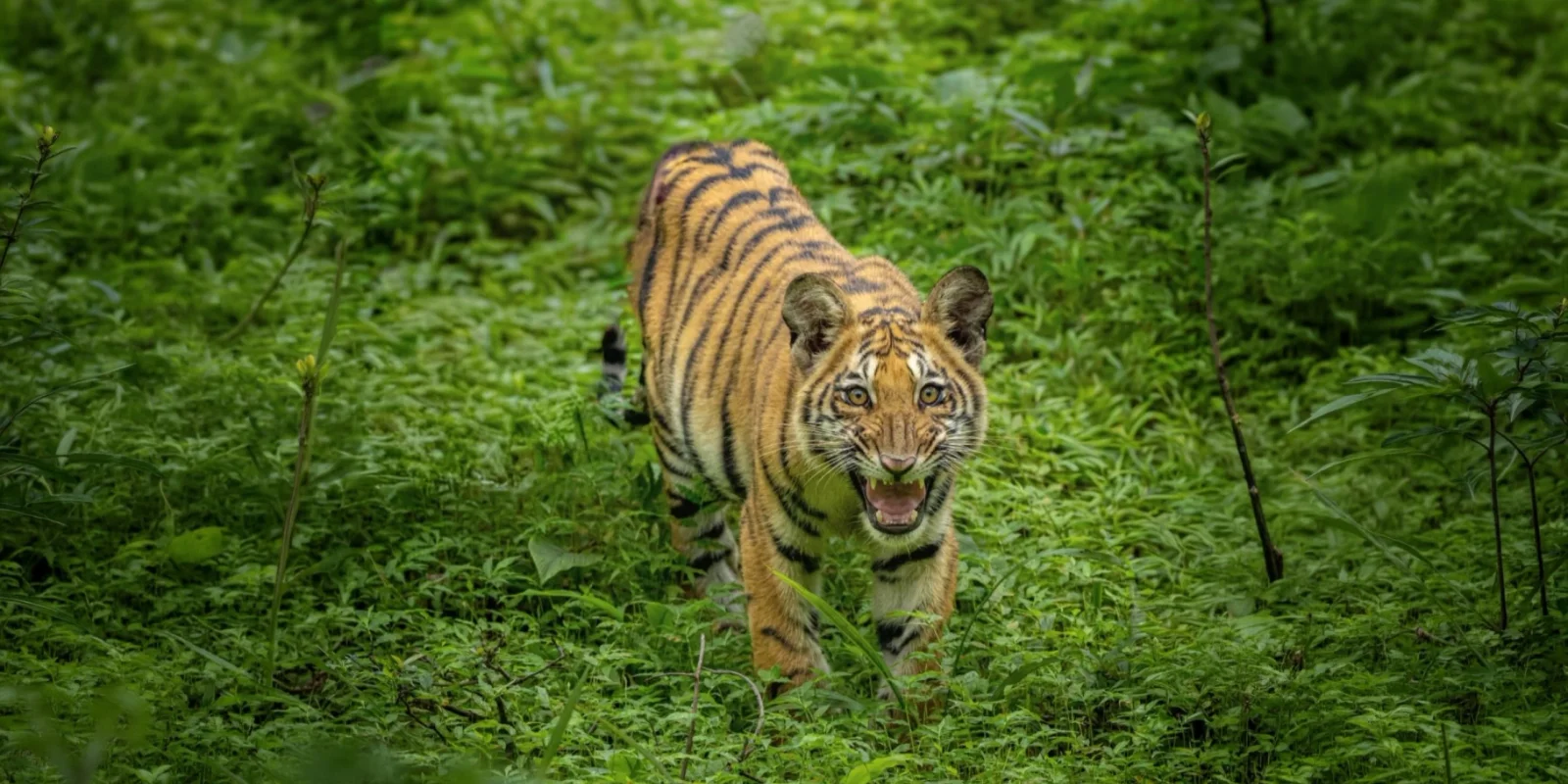
The tiger is the one cat on this list with real choice of destination. Ranthambore is the classic stop on a big-cats itinerary specifically because it pairs naturally with Gir and Jawai-Bera on a single Rajasthan-and-Gujarat circuit — tigers hunting and denning around the ruins of a 10th-century fort, with easy road access from Delhi and Jaipur.
But if tiger density is the priority rather than fitting a Rajasthan circuit, central India is the stronger call: Tadoba has the highest sighting probability of any Indian reserve, Bandhavgarh the highest density in compact zones, Kanha the most photogenic landscapes, and Pench the best value alongside standout dhole activity. These four run from our own base near Nagpur and are usually the better choice if the tiger, not the circuit, is what's driving the trip.
See our Ranthambore tiger safari package for the Rajasthan-circuit option, or Tadoba tiger safari package for the central India option.
Asiatic Lion — Gir, Gujarat
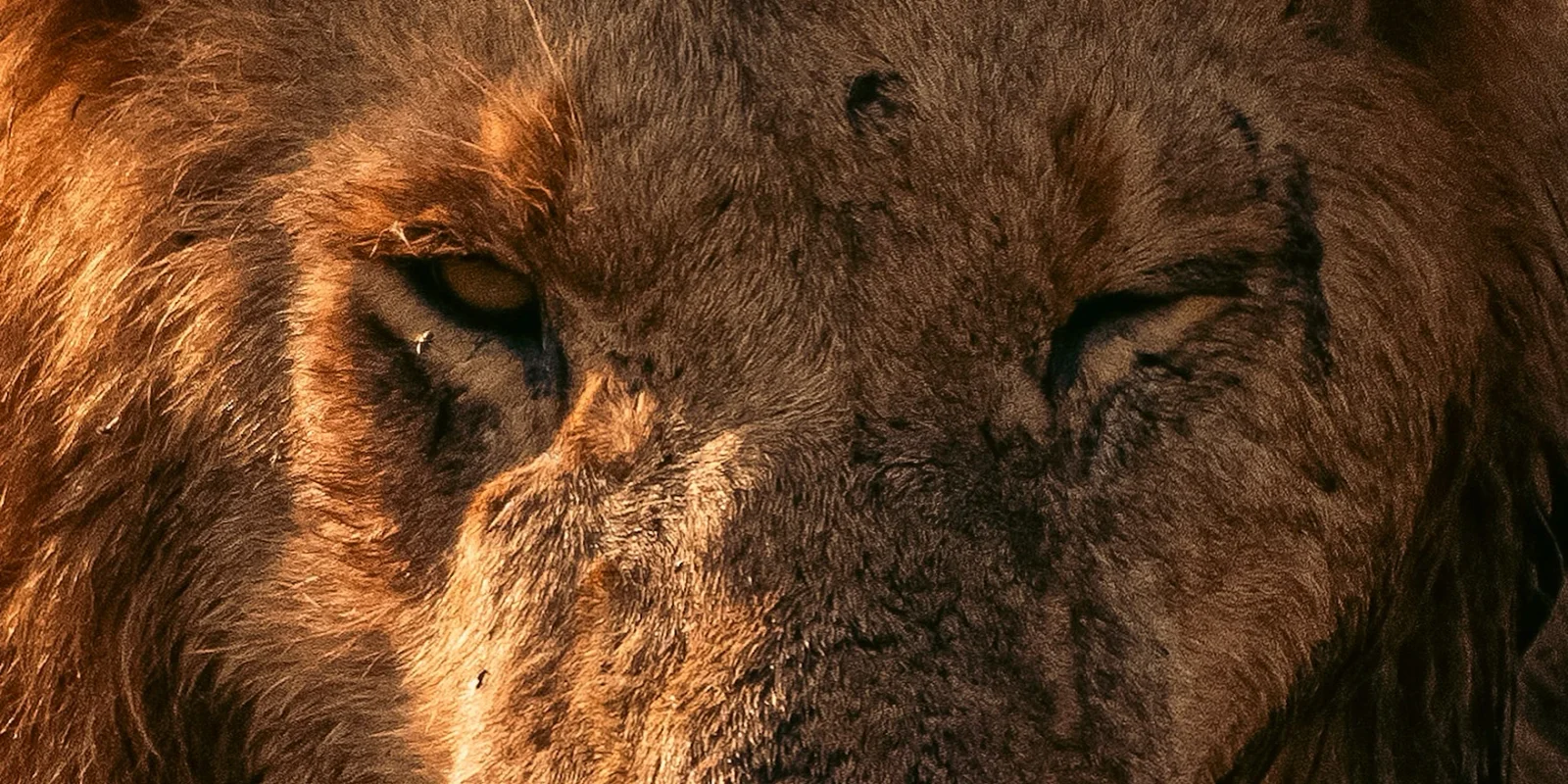
Gir National Park is the last wild home of the Asiatic lion anywhere on earth — a population that had fallen to a few dozen individuals a century ago and now numbers in the hundreds, entirely within this one landscape. The terrain is dry deciduous forest and scrub, visually distinct from India's tiger reserves, and lion sightings here are considerably more reliable than tiger sightings tend to be elsewhere.
See our Gir lion safari package for current itinerary options.
Indian Leopard — Where to See One
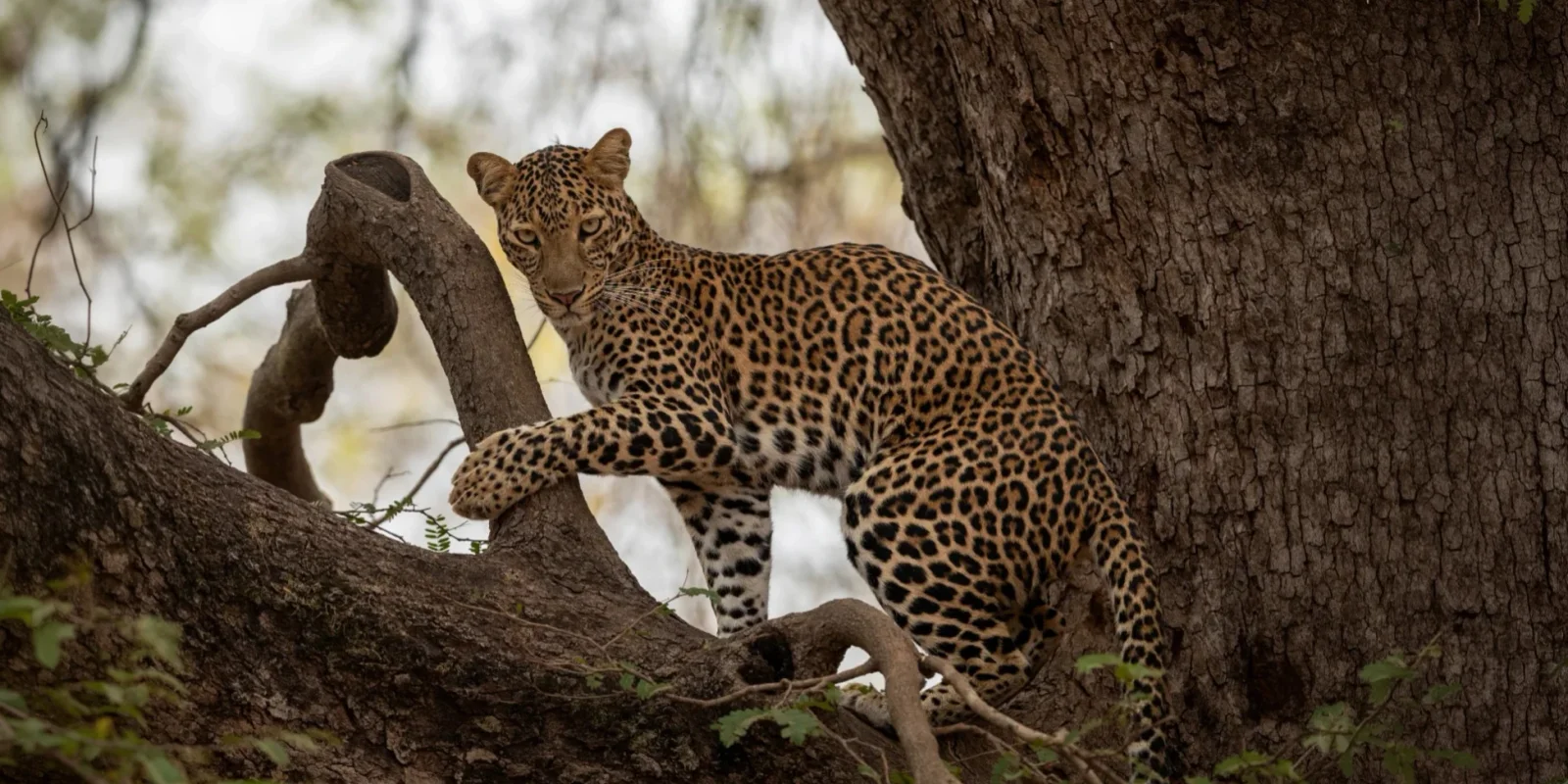
Leopards are the cat you're most likely to see without planning for it — Tadoba, Pench, Kanha and Bandhavgarh all hold healthy leopard populations, and a good number of our own guests come home with a leopard sighting from what was booked as a tiger safari. If a leopard turns up alongside a tiger on one of our central India trips, that's normal, not a bonus you paid extra for.
If the leopard is the point rather than a bonus, Rajasthan has two dedicated specialists worth the separate trip. Jawai-Bera is unlike any other leopard destination in India — granite hills and open scrub where leopards den in rock crevices within sight of local villages, in a rare working coexistence between predator and pastoral community, with sightings that tend to be relaxed and prolonged since the open terrain offers little cover to hide in. Jhalana, on the edge of Jaipur, is the more compact alternative — a genuinely urban-fringe leopard population inside a dedicated reserve.
See our Jawai-Bera leopard safari package or our Jhalana leopard safari package for current itinerary options.
Snow Leopard — Hemis, Ladakh
The snow leopard is the outlier on this list, and it's worth being direct about why. Hemis National Park sits at over 3,000 metres in the Ladakh Himalaya, the season runs roughly February to March when snow pushes leopards down into visible valleys, and a search typically means days of high-altitude trekking and long waits on a ridge with a spotting scope — nothing like a jeep safari.
It genuinely belongs on a "big cats of India" bucket list, but it is a separate, specialist expedition rather than something we fold into a central-India or Rajasthan itinerary. If a snow leopard expedition interests you alongside a tiger, lion or leopard safari, tell us and we'll point you to how the two trips fit together rather than pretend they're one.
Can You See All Four on One Trip?
Three of the four combine well: Ranthambore, Gir and Jawai-Bera sit within a manageable circuit across Rajasthan and Gujarat, typically ten to fourteen days with road transfers of three to six hours between stops.
The snow leopard does not fit into that circuit. Different season (winter, not the Oct–June window for the other three), different altitude, different style of trip entirely. Most travellers who want all four treat it as two separate journeys — a big-cats-of-the-plains circuit, and a dedicated Himalayan snow leopard expedition, done in different years or different seasons of the same year.
Building Your Big Cats Itinerary
Start with which three or four cats matter most to you, then let geography and season decide the order — not the other way round. For most travellers, central India is the easiest and strongest starting point: it's where we operate every week, the tiger sighting odds are the best in the country, and leopards very often come as part of the same trip at no extra planning. Add Gir and a Rajasthan leopard specialist (Jawai-Bera or Jhalana) if the Asiatic lion is on your list, and treat the snow leopard as its own separate trip when Ladakh's window opens in February.
Tell us which cats are on your list and how many days you have, and we'll put together a realistic route rather than a fantasy one that ignores travel time between them.
Plan Your Big Cats of India Trip
We run tiger, lion and leopard safaris across our tour network and can build a multi-cat circuit around Ranthambore, Gir and Jawai-Bera as a single trip. See our tour packages, or message us on WhatsApp for a free custom itinerary.
Frequently Asked Questions
Which big cats can you see in India?
Four: the Bengal tiger (central India, Ranthambore and others), the Asiatic lion (only in Gir, Gujarat), the Indian leopard (widespread, with Jawai-Bera a specialist destination), and the snow leopard (Hemis National Park, Ladakh, in winter).
Can I see tigers, lions and leopards on one trip?
Yes — Ranthambore (tigers), Gir (lions) and Jawai-Bera (leopards) sit within a single Rajasthan-and-Gujarat circuit, typically ten to fourteen days including transfers.
Can I add a snow leopard expedition to the same trip?
Not practically as one continuous itinerary. The snow leopard season (roughly February to March) and Himalayan altitude make it a separate, dedicated expedition rather than an add-on to a plains-based big cats circuit.
Is Gir the only place to see Asiatic lions?
Yes. Gir National Park and its surrounding landscape in Gujarat hold the entire world population of wild Asiatic lions.
What makes Jawai-Bera different from other leopard destinations?
Leopards here den in open granite outcrops in direct proximity to villages, with a long-standing coexistence between predator and pastoral community — a very different setting from forest-based leopard sightings elsewhere in India.
Ready to see it for yourself?
Browse Safari Tours