Extension for Bharatpur Bird Sanctuary
Extension for
Bharatpur
Pair your tiger safari with exclusive birdwatching and photographic birding at Keoladeo National Park — a 29 sq km wetland with naturalist-led rickshaw and walking safaris, no jeeps required.
What the extension includes
A Wetland Built for Birders
Keoladeo was created in the 1850s as an artificial wetland and became a royal duck-hunting reserve in 1899. Through the efforts of ornithologist Salim Ali, it was declared the Bharatpur Bird Sanctuary in 1956, gained full protection in 1971, became a national park in 1982, and was inscribed as a UNESCO World Heritage Site in 1985. Today it’s one of the most concentrated birding sites in the world — over 370 species recorded across barely 29 square kilometres.
On Foot, Cycle or Rickshaw
No jeeps here — Keoladeo is explored by walking, bicycle or cycle-rickshaw, at a pace that suits birding far better than a safari vehicle.
Naturalist Birders, Not Just Guides
Our Bharatpur guides are birders first — they call species by ear and know which bunds and heronries are active that week.
Built for Photographers
Early rickshaw entry for first light, and patient time at heronries and waterholes rather than a rushed checklist walk.
Combine with Ranthambore or Agra
Bharatpur sits almost exactly between Ranthambore and Agra — a natural one- or two-day add-on to either.
What to look for
Species Worth the Trip
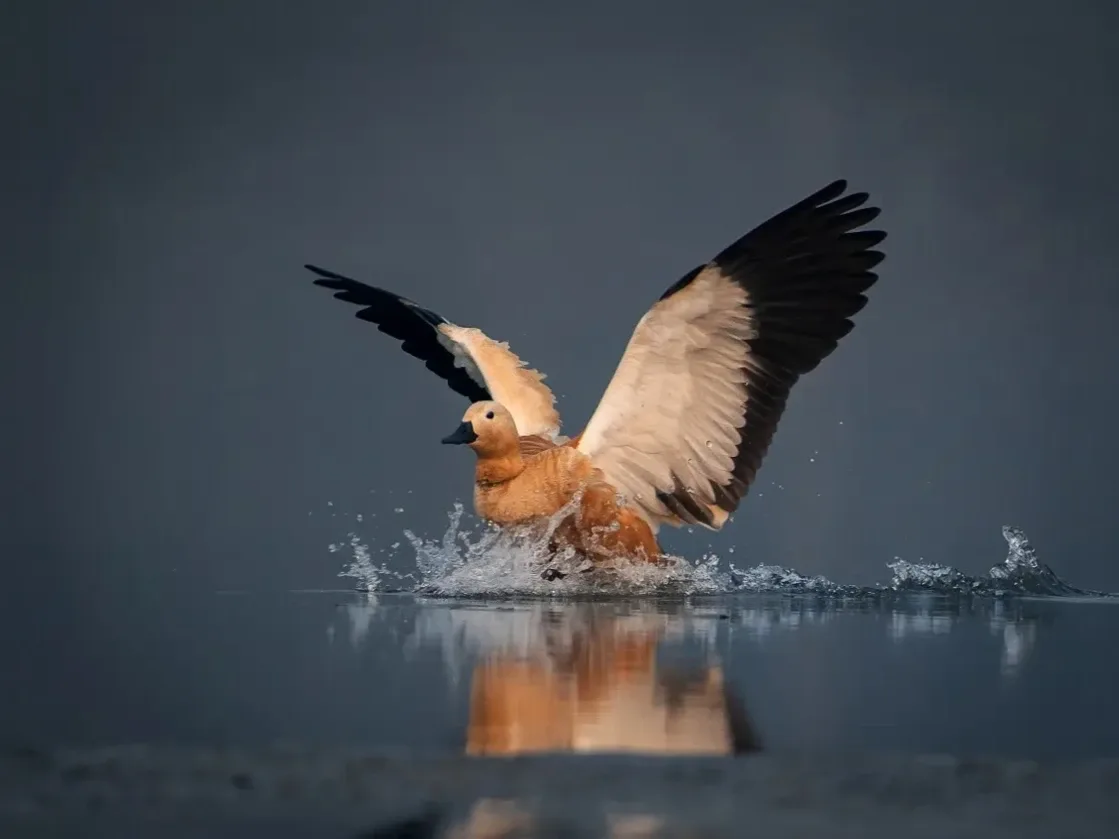
What you see depends heavily on season, but these three are the reason most birders make the trip.
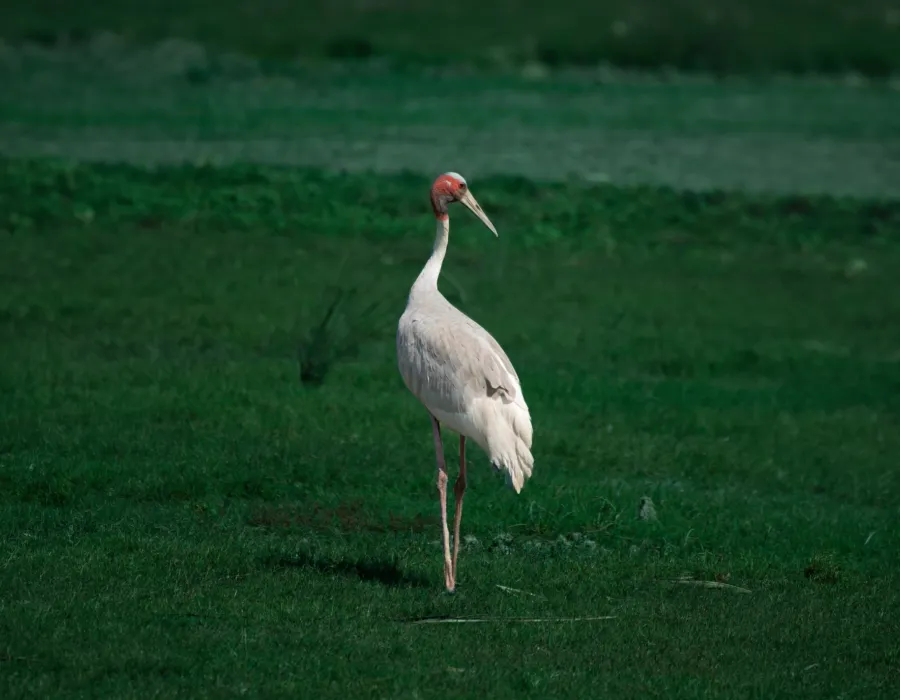
Sarus Crane
The world’s tallest flying bird and a Keoladeo resident year-round — pairs mate for life and are usually seen striding through the wetland grass in twos.
Painted Stork Colonies
Nesting colonies of painted storks, along with herons, cormorants and openbill storks, crowd the park’s babul trees through the monsoon breeding season.
Winter Migratory Waterfowl
From October to February, bar-headed geese, ducks, and dozens of other migratory species arrive from Central Asia and Siberia to winter on the wetland.
How it flows
Sample Bharatpur Extension Itinerary
Keoladeo is compact enough that one to two days covers it properly — we adjust timings around your safari transfer.
Arrive & Afternoon Rickshaw Safari
Transfer in from Ranthambore or Agra, check in, then a naturalist-guided cycle-rickshaw circuit through the wetland in the golden afternoon light.
Sunrise Walk & Departure
An early walk or cycle at first light — the most active hour for both resident and migratory birds — before your onward transfer.
Before you go
Good to Know
- Private vehicles are not allowed past the park entrance — walking, bicycles and cycle-rickshaws (with a local rickshaw-puller who often doubles as a spotter) are the only ways in.
- October to February is peak season for migratory waterfowl; July to September is nesting season for resident herons and storks.
- The critically endangered Siberian crane once wintered here for centuries, but hasn’t been recorded at Keoladeo since the early 2000s — a fact our guides will explain on the ground rather than oversell.
- Bring binoculars if you have them; we carry a limited number of spares, but your own pair makes a real difference here.
Built around your safari
One Itinerary, No Extra Planning
Bharatpur sits almost exactly on the road between Ranthambore and our Agra extension, which makes it one of the easiest add-ons we offer — a single day, or two if you want to birdwatch properly, folded into a route you’re likely already driving.
Ask about combining Bharatpur with your safariQuestions
Extension for Bharatpur: FAQs
Is Bharatpur a jeep safari like the tiger reserves?
No — Keoladeo National Park has no safari vehicles inside. You explore on foot, by bicycle, or by cycle-rickshaw with a local guide, which actually suits birding better than a jeep would.
How do I add Bharatpur to a tiger safari tour?
Tell us your safari dates and parks, and we’ll slot in one or two days at Bharatpur — it sits almost directly between Ranthambore and Agra, so it fits naturally onto either itinerary with a short drive.
What is the best time of year for birding at Bharatpur?
October to February for migratory waterfowl arriving from Central Asia and Siberia. July to September is nesting season for the park’s resident heron and stork colonies, if you don’t mind the monsoon heat and humidity.
Does the Siberian crane still visit Keoladeo?
No — despite centuries of wintering here, the critically endangered Siberian crane hasn’t been recorded at the park since the early 2000s, following disruption along its migratory route. We mention this upfront rather than let it be a disappointment on the ground.
How many bird species can I realistically expect to see?
A single well-guided day typically turns up 60-100 species depending on season; serious birders spending a full two days in winter can push well past that.
Add Bharatpur to Your Safari
Tell us your safari dates and route — we’ll come back with a single combined itinerary that folds Bharatpur in, free.