India runs more than 50 tiger reserves and over 100 national parks, but a much shorter list actually delivers a great safari — real infrastructure, a healthy resident tiger population, and a permit system that works. These are the 23 that consistently make our own itineraries, grouped by region so you can see what's actually near what.
For a decision framework rather than a full list — how to actually choose between them — see our guide on which wildlife national park to choose. This page is the directory; that one is the decision-maker.
Central India: The Tiger Heartland
Most of India's best tiger density sits in this belt across Maharashtra and Madhya Pradesh, and it's where we run the majority of our own safaris.
1. Tadoba-Andhari Tiger Reserve (Maharashtra) — the single highest tiger sighting probability of any Indian reserve, with open, dry-deciduous terrain and waterbodies that concentrate wildlife in summer.
2. Kanha National Park (Madhya Pradesh) — vast sal forest and grassy maidans, the only wild home of the hard-ground barasingha, and arguably the most photogenic landscape in central India.
3. Bandhavgarh National Park (Madhya Pradesh) — extremely high tiger density in compact zones, making multiple sightings likely even on a short trip.
4. Pench National Park (Madhya Pradesh & Maharashtra) — the forest that inspired The Jungle Book, strong tiger numbers and outstanding dhole (wild dog) pack activity.
5. Panna National Park (Madhya Pradesh) — a genuine conservation comeback story after losing its entire tiger population in the 2000s, now recovered through a well-documented reintroduction program.
6. Satpura National Park (Madhya Pradesh) — one of the few Indian reserves that allows walking and canoe safaris alongside jeep drives, in rugged, less-crowded terrain.
7. Umred-Karhandla Wildlife Sanctuary (Maharashtra) — compact, uncrowded, and close to Nagpur, with resident breeding tigresses and a fraction of the vehicles of the bigger parks.
8. Nagzira Wildlife Sanctuary (Maharashtra) — a quiet, underrated forest with good tiger and leopard sightings and very few tourists.
9. Tipeshwar Wildlife Sanctuary (Maharashtra) — small, easy to cover in a day or two, with a growing tiger population.
10. Bor Wildlife Sanctuary (Maharashtra) — India's smallest tiger reserve by area, close to Nagpur, and a good add-on to a longer central India circuit.
11. Melghat Tiger Reserve (Maharashtra) — one of India's original nine Project Tiger reserves, hilly and forested, better known to serious wildlife travellers than to casual tourists.
North India
12. Jim Corbett National Park (Uttarakhand) — India's oldest national park, river valleys and sal forest in the Himalayan foothills, and the most convenient reserve for travellers based in Delhi.
13. Dudhwa National Park (Uttar Pradesh) — dense terai forest on the Nepal border, home to tigers, swamp deer and one of India's few rhino reintroduction sites.
14. Pilibhit Tiger Reserve (Uttar Pradesh) — a newer, less-visited terai reserve with a fast-growing tiger population and excellent birdlife.
Rajasthan
15. Ranthambore National Park (Rajasthan) — tigers hunting and denning around the ruins of a 10th-century fort, and among the most photographed reserves in India.
16. Sariska Tiger Reserve (Rajasthan) — another reintroduction success after a local tiger extinction in the mid-2000s, set in dry, rocky Aravalli hill terrain.
Northeast India
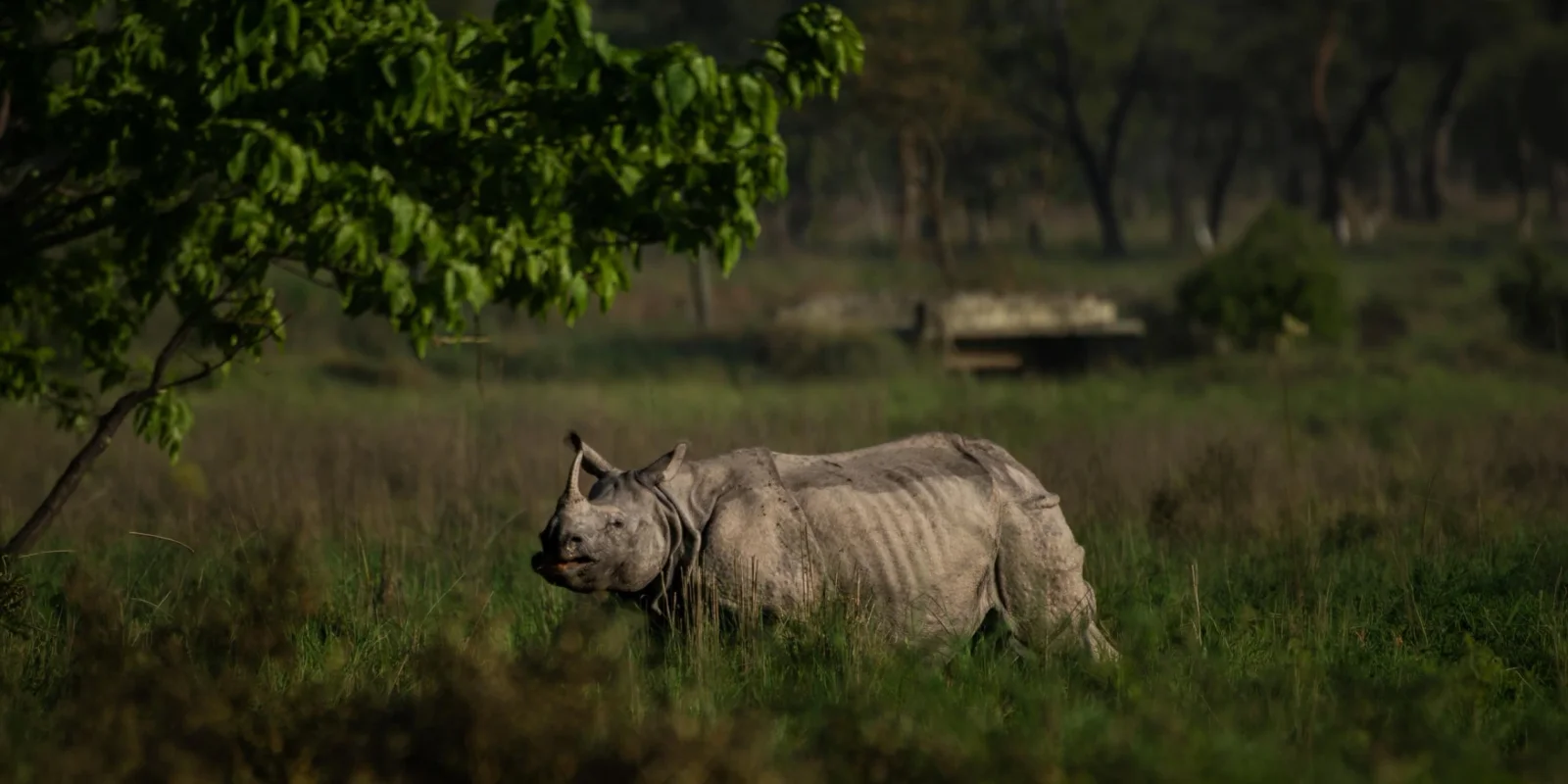
17. Kaziranga National Park (Assam) — a UNESCO World Heritage Site and the single best place on earth to see the one-horned rhinoceros, alongside a healthy tiger population and elephants.
18. Manas National Park (Assam) — bordering Bhutan, with tigers, rhinos, elephants and a rare mix of species found almost nowhere else, in a landscape only starting to see the tourism its wildlife deserves.
South India
19. Nagarhole National Park (Karnataka) — dense, elephant-rich forest bordering Bandipur, with strong tiger and dhole populations.
20. Bandipur National Park (Karnataka) — part of the Nilgiri Biosphere Reserve, with some of South India's largest elephant herds alongside its tigers.
21. Periyar Tiger Reserve (Kerala) — safaris here are largely by boat across a forest-fringed lake, a completely different experience from the jeep drives of central India.
East India
22. Sundarbans National Park (West Bengal) — the world's largest mangrove forest, and the only place to see tigers that swim between islands and hunt in tidal creeks. Safaris here are by boat, not jeep.
23. Similipal National Park (Odisha) — remote, hilly, and home to a rare population of melanistic (black) tigers alongside the standard-coloured population.
How We Picked This List
Every park here meets three bars: an actual resident tiger or headline-species population (not an occasional visitor), a functioning permit and safari system a traveller can book, and infrastructure — roads, gates, accommodation — that gets you there and back safely. That ruled out plenty of reserves with tigers on paper but no realistic way to visit yet.
Which of These Should You Visit First?
If a wild tiger sighting is the priority and your trip is short, start with Tadoba, Bandhavgarh or Ranthambore — the three highest-probability parks on this list. If you want a broader wildlife experience beyond tigers, Kaziranga (rhinos), Periyar (boat safaris) or Sundarbans (mangrove tigers) offer something none of the central Indian parks can.
For most first-time visitors flying into Nagpur or Delhi, we still point people toward the central India cluster — the density of good parks within a few hours of each other makes it the easiest region to build a multi-park trip without excessive travel days.
Plan Your Trip Across These Parks
We run safaris across the central India cluster every week from our base near Nagpur, and work with trusted partners for reserves further afield when a trip calls for them. Tell us which of these parks you're drawn to and we'll tell you honestly which ones fit your dates and travel time.
See our tour packages, read our full guide on choosing the right wildlife park, or message us on WhatsApp for a free custom itinerary.
Frequently Asked Questions
Which national park in India has the most tigers?
Corbett Tiger Reserve has the largest total tiger population of any Indian reserve, though Tadoba and Bandhavgarh have higher sighting probability per safari due to their density and terrain.
How many tiger reserves are there in India?
India has more than 50 designated tiger reserves under Project Tiger, though a much smaller number offer the infrastructure and permit access for a reliable tourist safari.
Which national park should I choose for my first tiger safari?
Tadoba, Bandhavgarh or Ranthambore are the strongest first choices — all three combine high tiger density with well-established tourist infrastructure.
Can I see animals other than tigers at these parks?
Yes — Kaziranga is built around one-horned rhinos, Periyar and Sundarbans involve boat safaris through completely different habitats, and most central Indian parks also hold leopards, dhole, sloth bears and strong birdlife.
Are any of these national parks good for a first-time family safari?
Pench, Tadoba's buffer gates and Umred-Karhandla are particularly manageable for families — shorter drives from resorts, good general wildlife, and less crowded than peak-season core zones.
Ready to see it for yourself?
Browse Safari Tours