Photography · Pench
Pench Wildlife Photography Safari Guide
The short answer
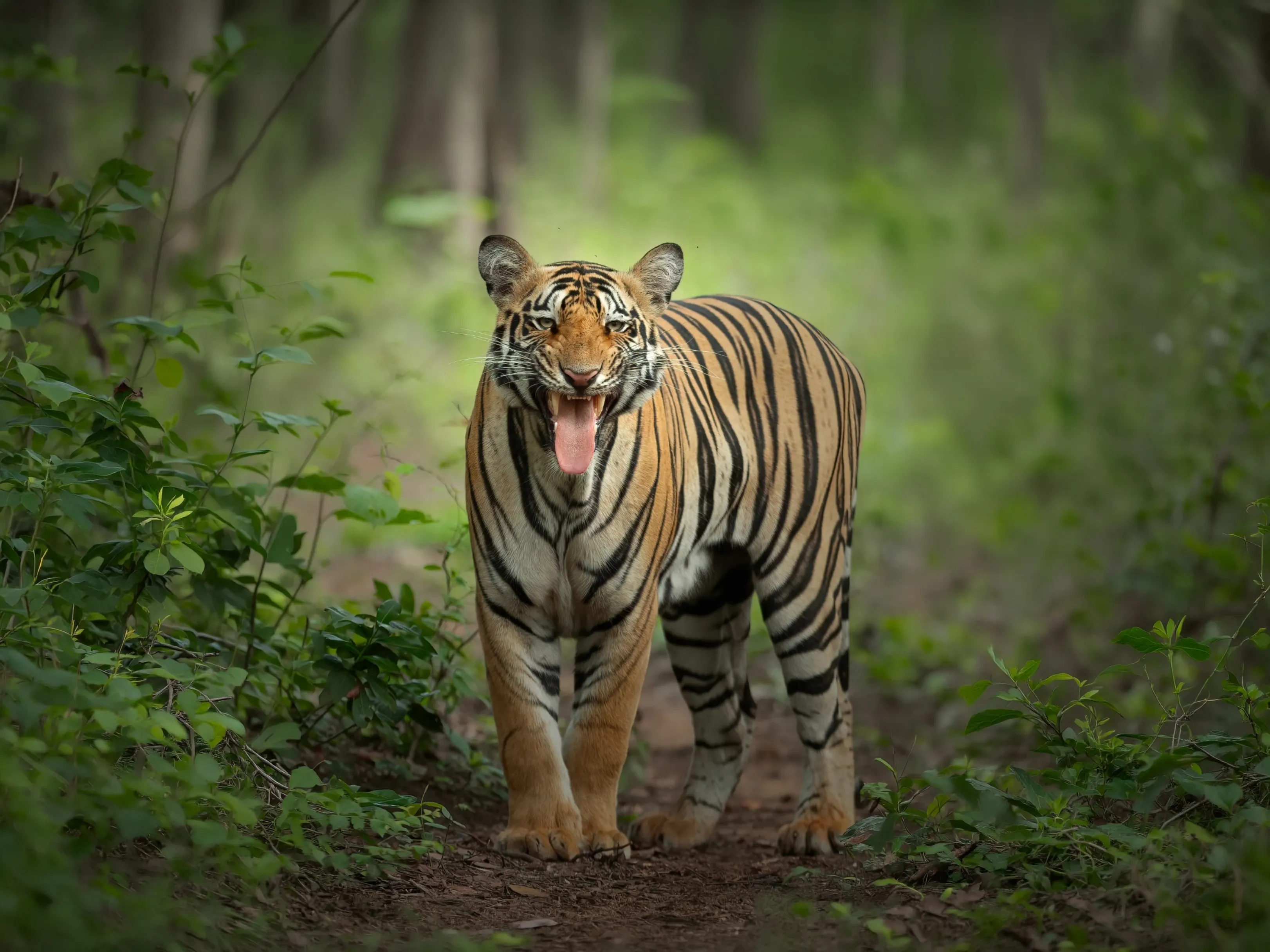
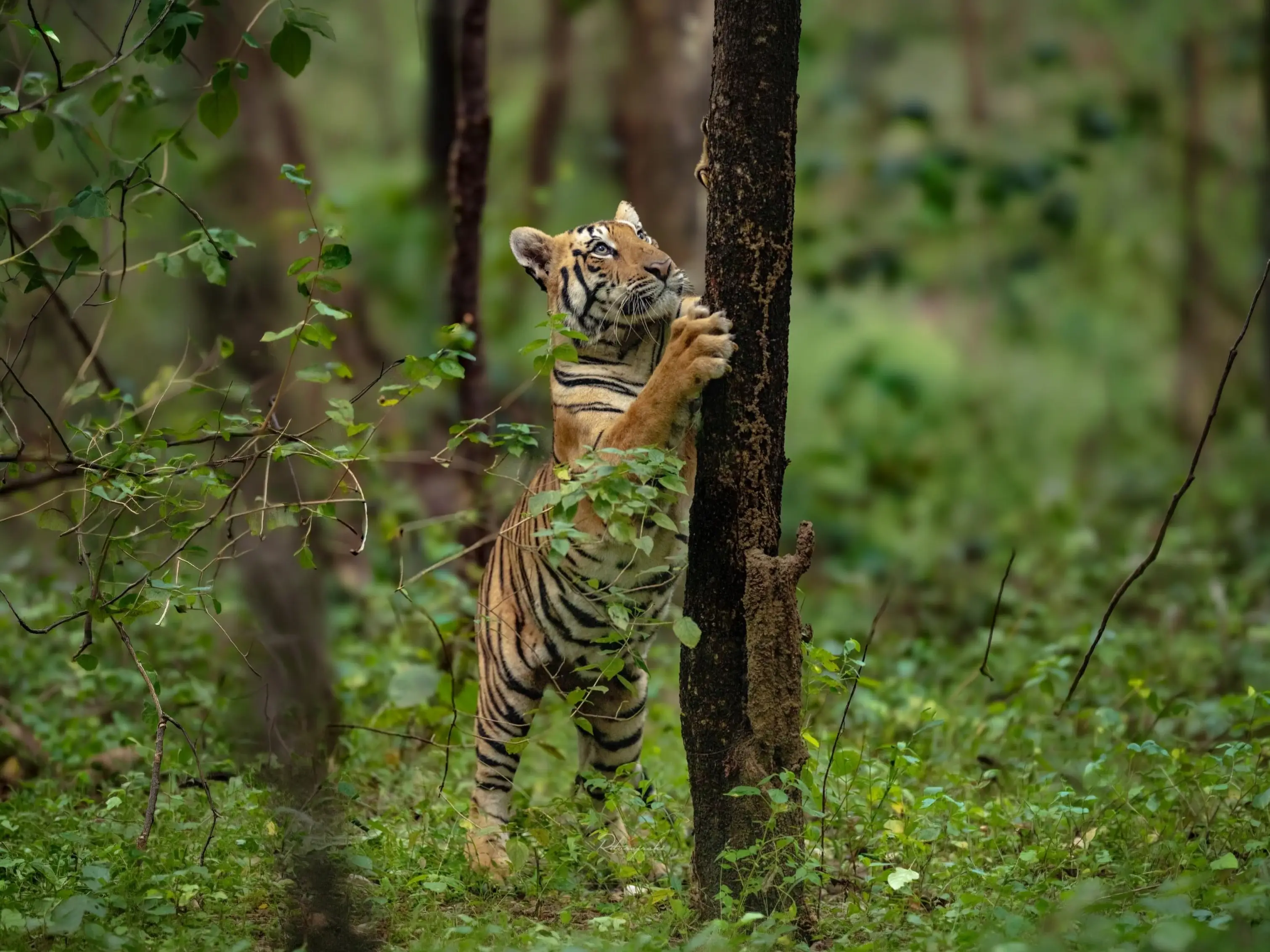
In Pench, cameras are free on regular safaris, and MP morning drives are long (to 11:00–11:30 am), which is great for photographers. Plan 6–8 drives, mostly in Turia, with Karmajhiri or Jamtara for space. Shoot April–May for action at water and November–February for misty light. Bring a 100–400 or 150–600 mm zoom. Professional filming needs Field Director permission and a per-day fee.
- Camera fee
- Free (regular safaris)
- Morning drive (MP)
- To 11:00–11:30 am
- Best zone
- Turia
- Ideal lens
- 100–400 / 150–600 mm
- Drives to plan
- 6–8
Camera rules and filming fees
On regular safaris on the MP side, still and video cameras are free to use. Professional filming or photography in the core is a different matter: it needs Field Director permission in the cameraman's name, at a per-day rate.
| Duration | Indian educational / research / govt institutes | All others |
|---|---|---|
| First 7 days | ₹10,000 | ₹40,000 |
| Days 8–15 | ₹7,500 | ₹30,000 |
| Day 16 onwards | ₹5,000 | ₹20,000 |
Light and seasons
- November–February: mist over the river and soft, low light. January can be near freezing.
- March: fading leaves, warm tones, sightings climbing.
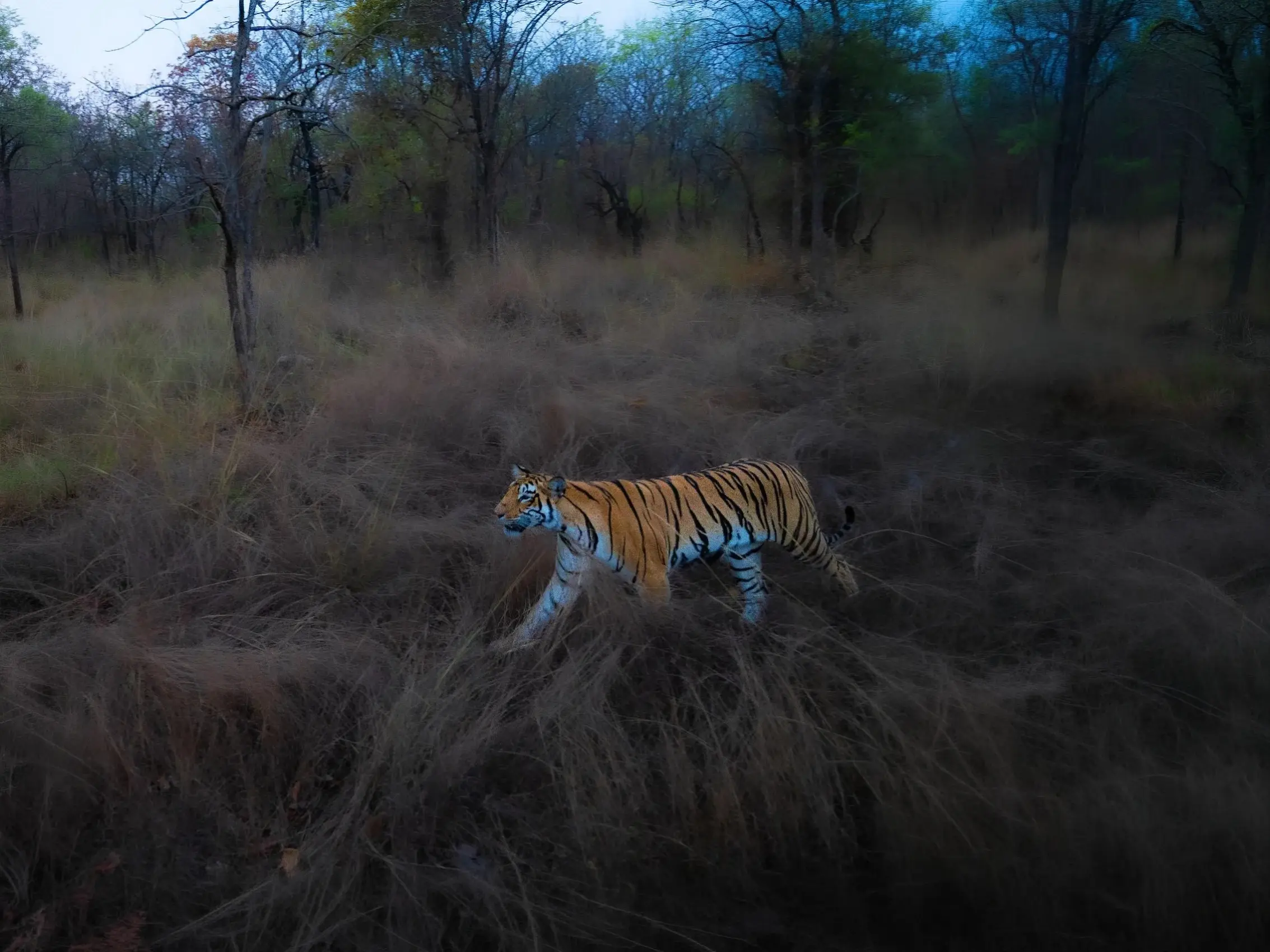
- April–May: tigers at water, harsh midday light. Use the long MP mornings.
- Zones: Turia for subjects, Karmajhiri and Jamtara for space and clean frames.
Gear
- Main lens: 100–400 mm or 150–600 mm zoom.
- Second lens: 24–70 mm for habitat and river landscapes.
- Support: a bean bag on the roll bar.
- Settings: around 1/1000 s for moving tigers, auto ISO, and expose for the highlights in summer.
- Protection: a dust cover, spare batteries and cards.
Shooting ethically
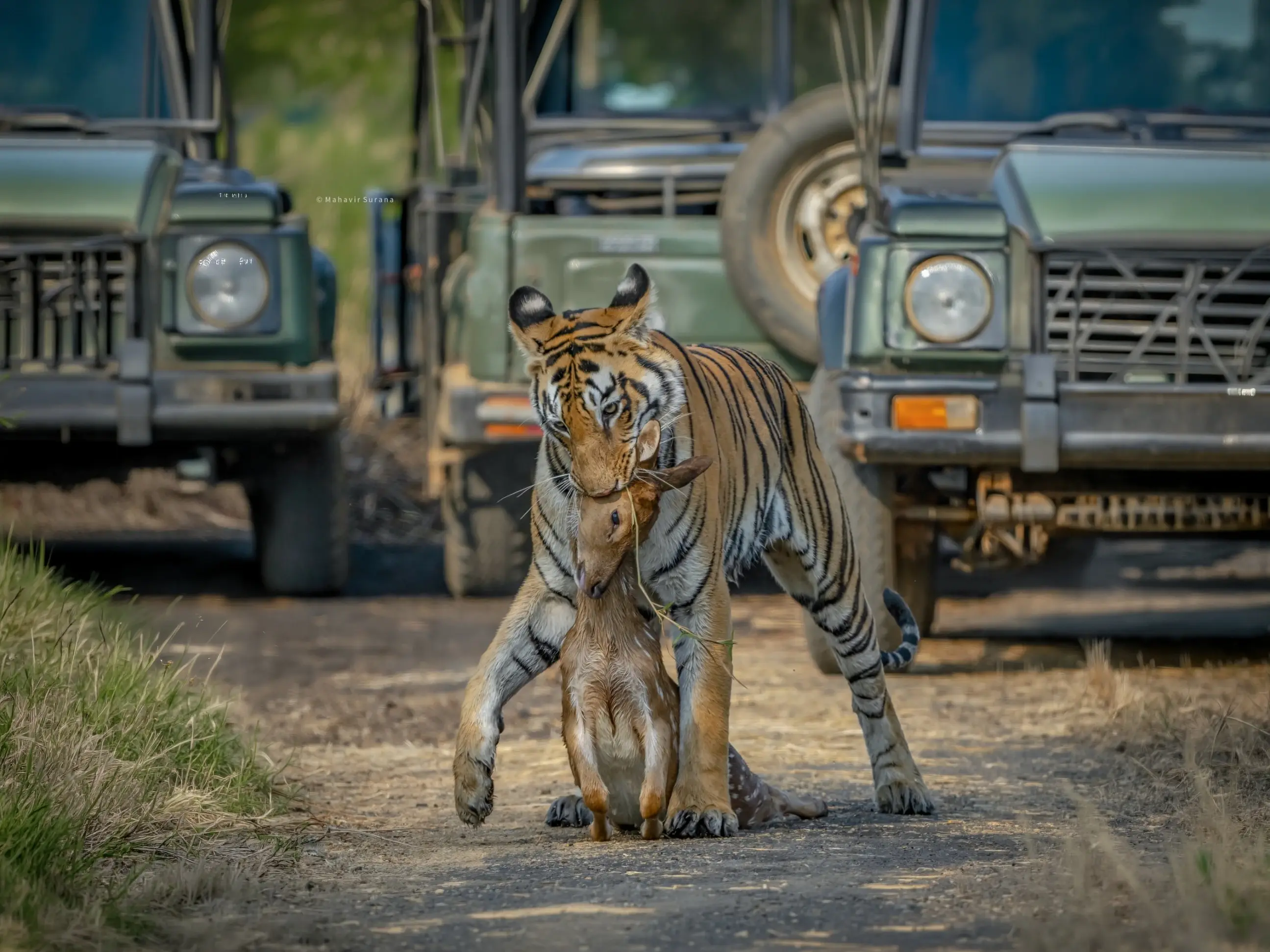
Stay in the vehicle (getting off is strictly prohibited in the core), never ask a driver to block or follow a moving tiger, and keep noise to a minimum. The best Pench images come from waiting at the right water, not from pushing.
Frequently asked questions
Is there a camera fee in Pench?
No. On the MP side, the reserve's FAQ says visitors can use still and video cameras free of cost on regular safaris.
Do I need a permit for professional photography or filming in Pench?
Yes. Professional filming or photography in the core needs permission from the Field Director, issued in the cameraman's name, with a per-day fee. For non-institutional applicants it's ₹40,000 a day for the first seven days, falling after that.
What lens should I bring to Pench?
A 100–400 mm or 150–600 mm zoom covers most situations from a Gypsy, plus a wider lens for habitat shots. A bean bag for the vehicle rail beats a tripod.
Is there a photography hide in Pench?
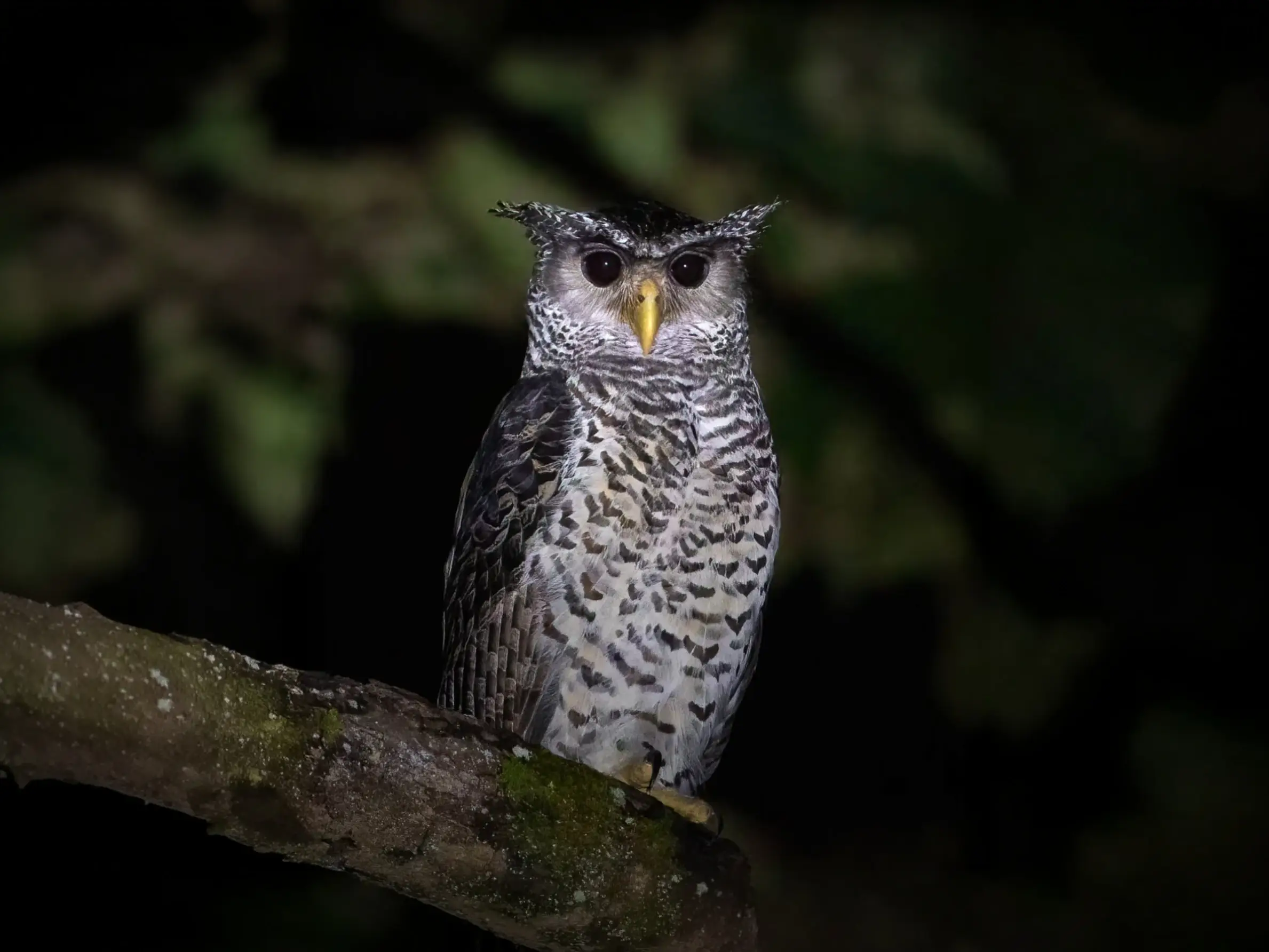
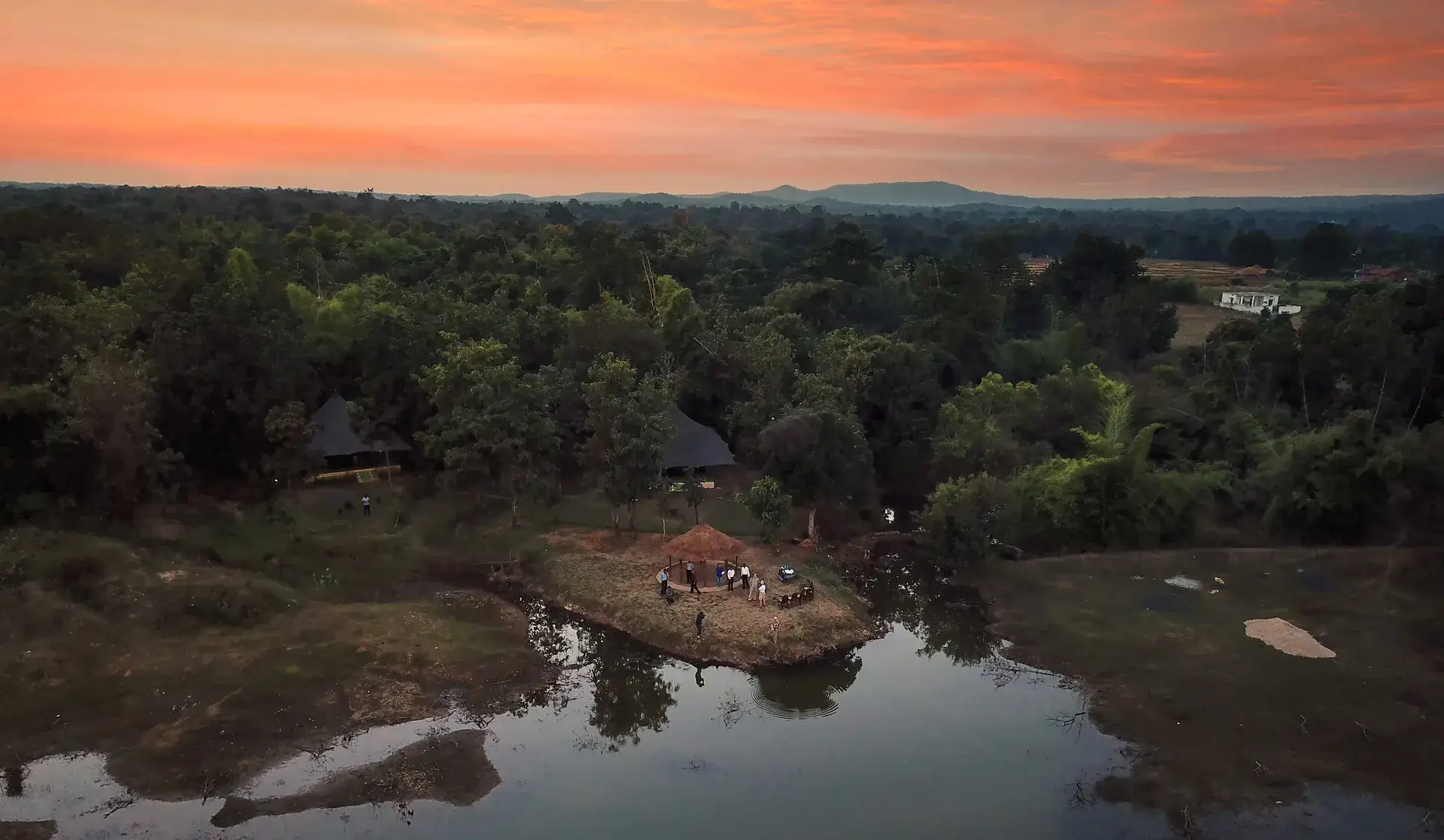
Pench Tree Lodge, near Karmajhiri, has an eye-level photography hide (the Kipling Hide) on its grounds, which is great for birds and small mammals.
Keep planning your Pench trip
Talk to a Pench naturalist
Not sure which gate, zone or resort fits your dates?
Tell us when you're travelling and what you want to see. We'll check permit and room availability, then send you a plan that fits.