What "Giving Back" Honestly Means for a Company Our Size
It would be easy to write this page the way a lot of tour operators do — naming a foundation, a specific school, a specific village project. We'd rather describe what we actually do, plainly: a standing 10% annual donation to local schools and environmental work, who we choose to hire, how we handle a mandatory fee that already funds conservation, and how we run the village visits on our itineraries. Here's all four.
10% of Our Income, Every Year
Every year, we donate 10% of our income to two places: local village schools and environmental initiatives in and around the reserves we run trips in. It’s not a one-off gesture tied to a campaign — it’s a standing, annual commitment we hold ourselves to regardless of the season.
We Hire Local, Season After Season
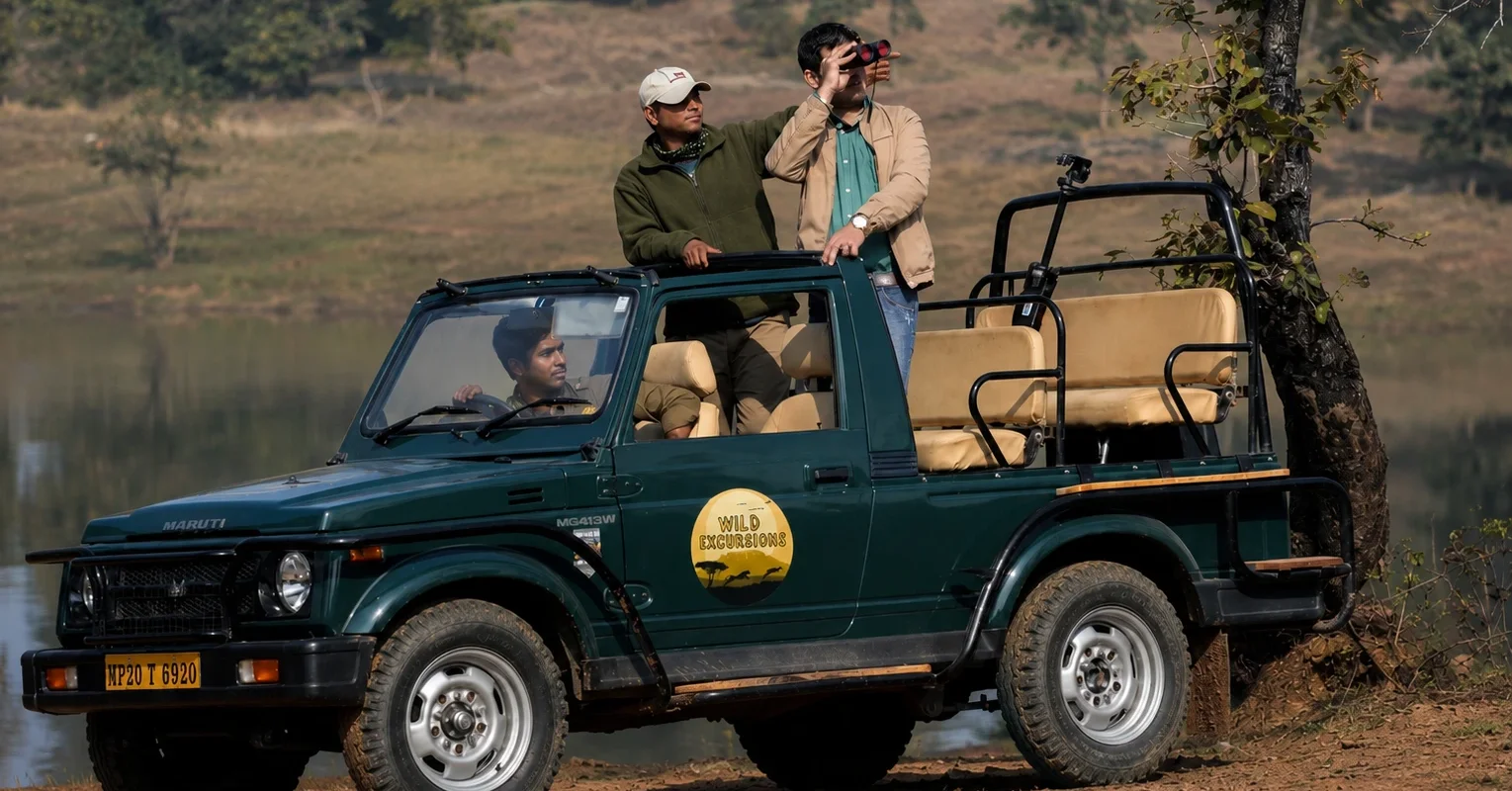
Every naturalist, driver and park-side team member we work with is local to the reserves we run in — not seasonal staff flown in for the winter. In 2020, when travel stopped entirely, we didn’t: we stayed in touch with our travelers and kept faith with the naturalists and drivers whose livelihoods depend on the season, using the pause to rebuild how we plan trips rather than letting those relationships lapse.
Where Your Safari Fee Actually Goes
Every package we sell includes the state forest department’s park permit fee — it’s not optional, and we don’t mark it up as a separate "conservation" line item. That fee is the mechanism that funds tiger reserve management across India: anti-poaching patrols, habitat upkeep and eco-development programmes, depending on the reserve’s state forest department. It sits alongside our own 10% donation, not instead of it.
Village Visits Built Around Local Income
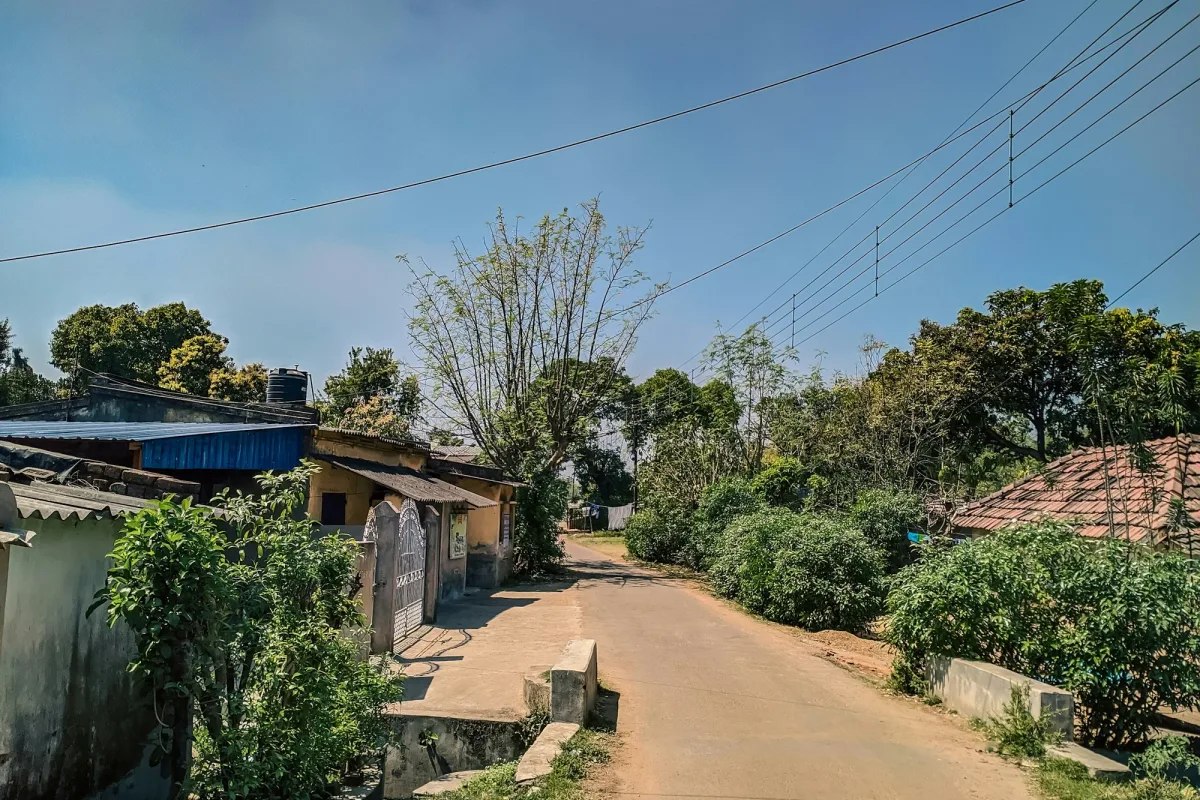
Where an itinerary includes a village visit, it’s built to put spending directly into local hands — a homestay meal, a local guide, a craft bought from the person who made it — rather than a staged show for a bus of tourists. It’s a small, ordinary thing, and we’d rather describe it plainly than dress it up as something bigger than it is.
What We Are, and What We're Not
We're a small-to-mid-size safari operator, not a registered nonprofit or foundation. We don't have a named conservation partner or a single flagship project to point a camera at — what we have instead is a standing habit: 10% of our income, every year, to local schools and environmental work, without a campaign attached to it. Alongside that, every legal tiger safari in India, ours included, already includes a mandatory state forest department permit fee that funds reserve management. That's not our initiative — it's how the system works — but it does mean the fee you pay us was never optional to skip or discount away, and we don't.
Frequently Asked Questions
Does Wild Excursions run a registered CSR foundation or NGO?
No. We’re a tour operator, not a registered charity or foundation. What we do have is a standing annual commitment — 10% of our income donated to local village schools and environmental initiatives — alongside consistent local hiring and transparent fee handling.
What exactly happens to the 10% of income Wild Excursions donates?
It goes to two places every year: local village schools, and environmental initiatives in and around the reserves we operate trips in. We keep this description general rather than naming a specific school or project we haven’t documented publicly.
Where does my safari permit fee go?
To the state forest department managing that tiger reserve. It’s a mandatory fee under Indian law, included in every package we sell, and it funds park management — anti-poaching patrols, habitat maintenance and eco-development programmes — regardless of which operator you book through.
Do village visits on your itineraries actually benefit local communities?
Where we run them, yes — spending goes to a local guide, a homestay, or a craftsperson directly, rather than a generic tour-bus stop. We keep this claim modest and specific rather than quantifying an "impact" we can’t verify.
How does Wild Excursions support its naturalists and drivers?
By hiring locally and consistently, season after season, rather than treating them as interchangeable seasonal labour — including staying in contact and maintaining the relationship through the 2020 travel shutdown, when there was no income to offer.
Is any part of my payment donated separately to a conservation charity?
We don’t add a separate donation line item to your package price — the 10% we donate each year comes out of our overall income, not as an added fee on your booking. The mandatory park permit fee, already included in what you pay, funds reserve conservation in India on top of that.
Questions about how we operate?
Get in Touch